Buy landingpage.info ?
We are moving the project
landingpage.info .
Are you interested in purchasing the domain
landingpage.info ?
domain@kv-gmbh.de · 0541-91531010
Buy landingpage.info ?
How is the conversion of temperature carried out?
The conversion of temperature is carried out by using mathematical formulas or conversion factors to change the temperature from one scale to another. For example, to convert from Celsius to Fahrenheit, you can use the formula: F = (C x 9/5) + 32. Similarly, to convert from Fahrenheit to Celsius, you can use the formula: C = (F - 32) x 5/9. These formulas help in accurately converting temperatures between different scales. **
How is the conversion of units carried out?
The conversion of units is carried out by using conversion factors, which are ratios that relate the original unit to the desired unit. To convert from one unit to another, you multiply the original measurement by the appropriate conversion factor. For example, to convert 5 meters to centimeters, you would use the conversion factor 1 meter = 100 centimeters and multiply 5 meters by 100 to get 500 centimeters. It's important to keep track of units and cancel out the original unit to ensure the conversion is done correctly. **

Similar search terms for Carried
Top-Angebote
Products related to Carried:
-
La Cafetiere Induction Conversion PlateThe La Cafetiere induction conversion plate is made from aluminium and stainless steel. The plate is used to enable non-induction cookware to be used efficiently on induction hobs. Suitable for use on all inductions hobs, the construction of the 3.4mm thick plate promotes even heat distribution and includes a heat resistant handle for easy handling. Perfect for use with whistling kettles and stove top espresso makers. Complete with a 12 month manufacturers guarantee. Size: 13cm dia.17,59 £*Shipping: 3,50 £Secure redirect to the provider
-
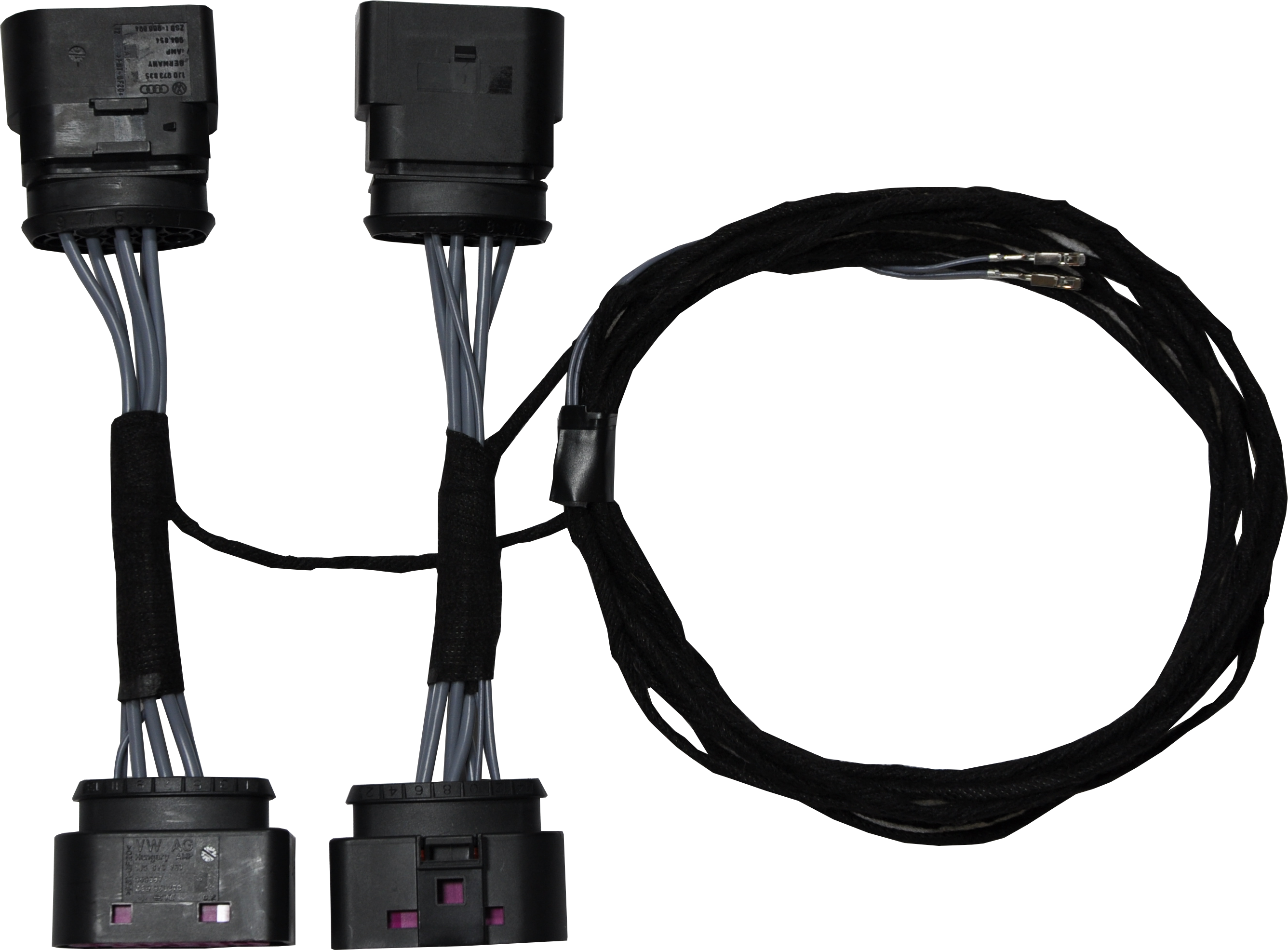
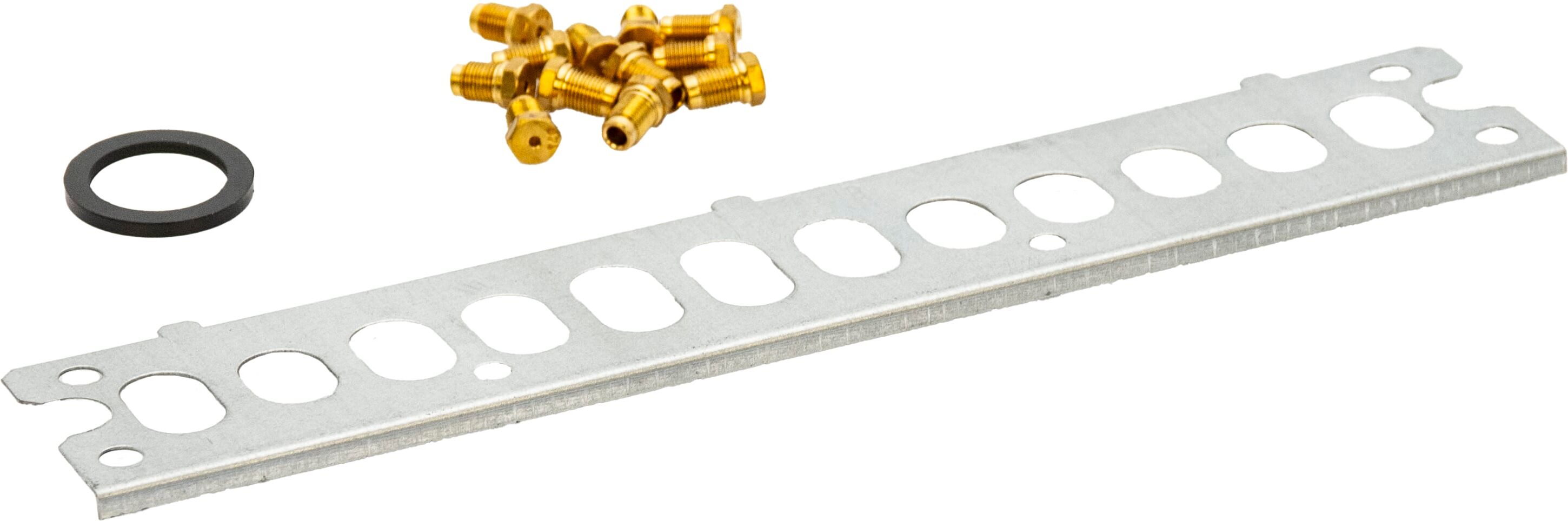
Rinnai HDC1600i LPG Conversion KitRinnai HDC1600i LPG Conversion Kit. Specially designed for the Rinnai HDC1600I model, this replacement part ensures your water heating system operates at its best. Benefits of Regular Maintenance: Enhanced Efficiency: Regular servicing can ensure that your water heater operates at peak efficiency, reducing energy bills. Longer Lifespan: Preventing buildup and replacing worn-out parts can significantly extend the life of your water heater. Safety: Ensuring that your appliance is in top condition minimizes the risk of leaks or malfunctions. Installation & Safety: Always ensure that installation and servicing are carried out by a qualified technician familiar with Rinnai products. Turn off the gas supply and disconnect power before be75,60 £*Shipping: 0,00 £Secure redirect to the provider
-
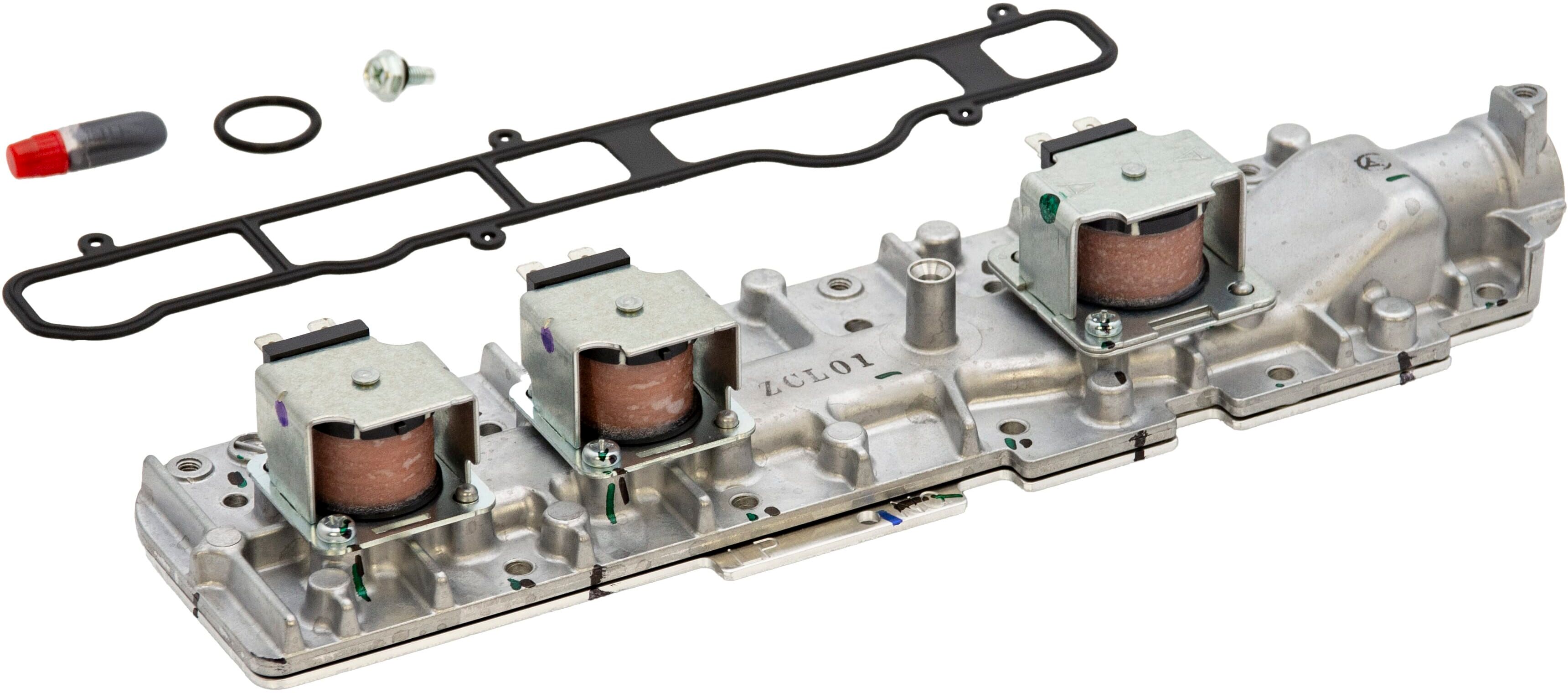
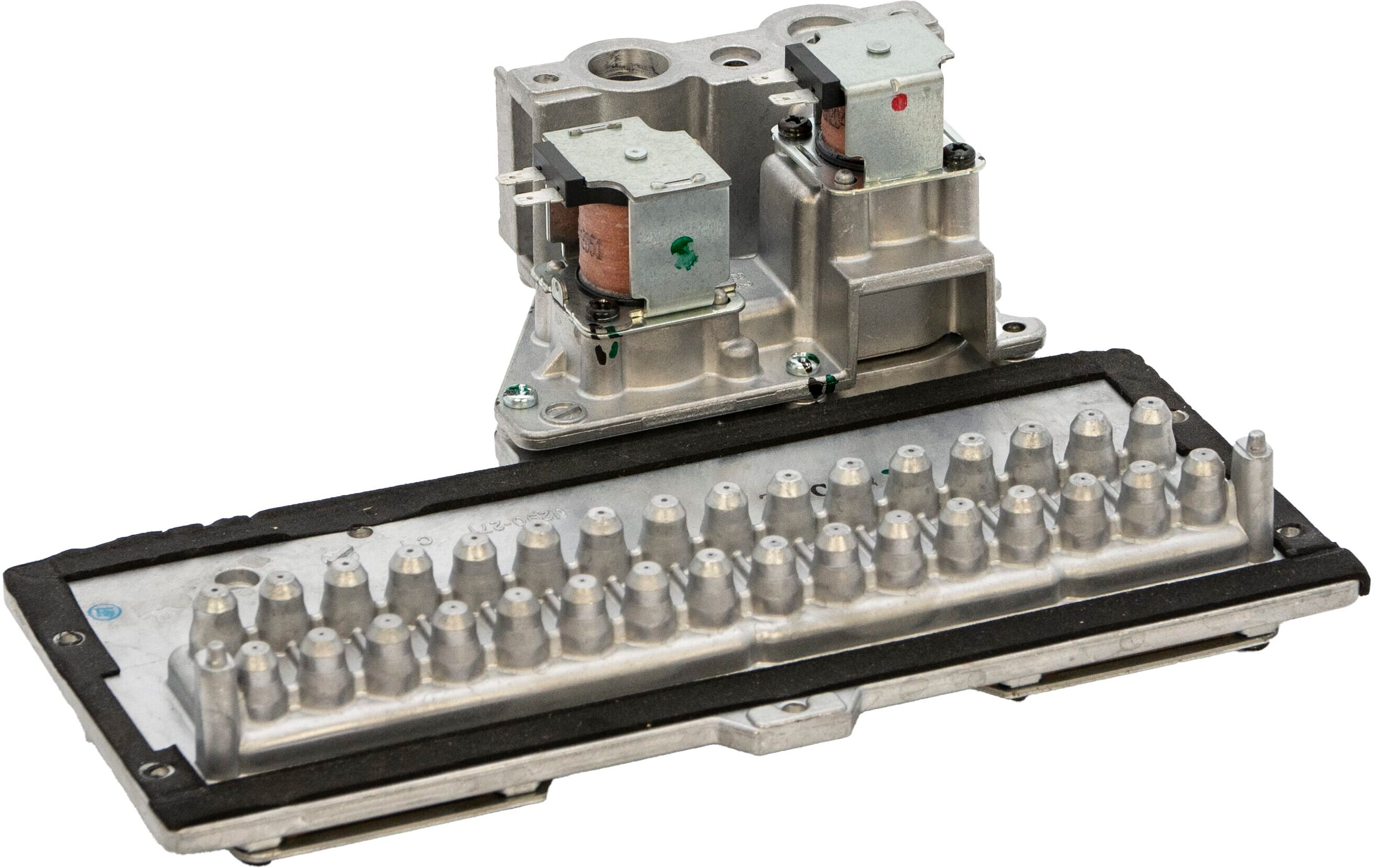
Rinnai HDC1200e Conversion Kit - LPGRinnai HDC1200e Conversion Kit - LPG (P1200EKM-LPG) This is the genuine Rinnai LPG conversion kit for the HDC1200e continuous flow water heater, engineered to get the fuel configuration right for safe, accurate, and efficient operation on LPG. As with all genuine Rinnai parts, it's built to the manufacturer's own specification, which matters when the outcome is correct combustion rather than an approximation of it. Whether the appliance is being converted from natural gas to LPG or components are simply being replaced as part of servicing, using the genuine kit is the only way to ensure combustion remains safe, performance stays reliable, and the appliance's working life isn't compromised. ⚠ Important: This conversion must be carried out by a Gas Safe registered engineer. Isolate the gas and electrical supplies before start75,60 £*Shipping: 0,00 £Secure redirect to the provider

-
How is the conversion of Newton carried out?
The conversion of Newton is carried out by using the formula F = ma, where F is the force in Newtons, m is the mass in kilograms, and a is the acceleration in meters per second squared. This formula allows us to calculate the force exerted by an object based on its mass and acceleration. By rearranging the formula, we can also calculate mass or acceleration if the other two variables are known. This allows for easy conversion between Newtons, kilograms, and meters per second squared. **
-
How is the conversion of batteries carried out?
The conversion of batteries is carried out through a process called electrochemical reaction. When a battery is being used, the chemical energy stored in the battery is converted into electrical energy as the result of a chemical reaction. This process involves the movement of electrons from the negative terminal (anode) to the positive terminal (cathode) through an external circuit, creating an electric current. When the battery is being charged, the electrochemical reaction is reversed, and electrical energy is converted back into chemical energy, storing it for later use. **
-
How is the conversion of ducats carried out?
The conversion of ducats is carried out through a process of exchanging them for the currency of the country where the transaction is taking place. This can be done at banks, currency exchange offices, or other financial institutions. The exchange rate for ducats will be determined based on the current market value of the currency they are being exchanged for. The amount of currency received in exchange for the ducats will depend on this exchange rate and any fees or commissions charged by the institution facilitating the conversion. **
-
How is the conversion to NAND carried out?
The conversion to NAND is carried out by using De Morgan's theorem, which states that the complement of a product of variables is equal to the sum of the complements of the individual variables. This means that any Boolean expression can be converted to an equivalent expression using only NAND gates. To do this, first convert the expression to its complemented form using De Morgan's theorem, then use NAND gates to implement the complemented form of the expression. Finally, apply De Morgan's theorem again to obtain the original expression in terms of NAND gates. **

How is the conversion of focal length carried out?
The conversion of focal length is carried out by multiplying the focal length of the lens by the crop factor of the camera. For example, if a lens has a focal length of 50mm and the camera has a crop factor of 1.5x, the effective focal length would be 75mm (50mm x 1.5). This calculation helps to understand how the field of view will change when using a lens on a camera with a different sensor size. **
How is energy conversion carried out in an airplane?
Energy conversion in an airplane is carried out through a series of processes. Firstly, the aircraft's engines convert chemical energy from fuel into mechanical energy through combustion. This mechanical energy is then used to rotate the aircraft's propellers or turbines, which in turn generate thrust to propel the airplane forward. Additionally, the mechanical energy is also used to power the aircraft's systems, such as the hydraulic and electrical systems. Finally, the kinetic energy generated from the thrust and the lift generated from the wings allow the airplane to overcome gravity and achieve flight. **
Top-Angebote
Products related to Carried:
-
Pagan: Fate of Roanoke - Behind the Veil Content Pack by Capstone Games - 32 New Game Cards, Lore, and Narrative ContentExpand the mysteries of Roanoke and deepen your Pagan: Fate of Roanoke experience with the Behind the Veil content pack from Capstone Games. This expansion introduces 32 new cards designed to add further lore, tension, and narrative detail to your games. Explore ancient rites, forgotten pacts, and secrets that reach back beyond the oldest trees. As the Hunter's investigative methods become increasingly uncertain, the Witch gains new ways to challenge their opponent and encourage self-doubt. The compact content pack is a focused addition for players looking to expand the themes and strategic possibilities of the base game. Please note that the base game is required to play this expansion.11,29 £*Shipping: 3,95 £Secure redirect to the provider
-
La Cafetiere Induction Conversion PlateThe La Cafetiere induction conversion plate is made from aluminium and stainless steel. The plate is used to enable non-induction cookware to be used efficiently on induction hobs. Suitable for use on all inductions hobs, the construction of the 3.4mm thick plate promotes even heat distribution and includes a heat resistant handle for easy handling. Perfect for use with whistling kettles and stove top espresso makers. Complete with a 12 month manufacturers guarantee. Size: 13cm dia.17,59 £*Shipping: 3,50 £Secure redirect to the provider
-
How is the conversion of temperature carried out?
The conversion of temperature is carried out by using mathematical formulas or conversion factors to change the temperature from one scale to another. For example, to convert from Celsius to Fahrenheit, you can use the formula: F = (C x 9/5) + 32. Similarly, to convert from Fahrenheit to Celsius, you can use the formula: C = (F - 32) x 5/9. These formulas help in accurately converting temperatures between different scales. **
-
How is the conversion of units carried out?
The conversion of units is carried out by using conversion factors, which are ratios that relate the original unit to the desired unit. To convert from one unit to another, you multiply the original measurement by the appropriate conversion factor. For example, to convert 5 meters to centimeters, you would use the conversion factor 1 meter = 100 centimeters and multiply 5 meters by 100 to get 500 centimeters. It's important to keep track of units and cancel out the original unit to ensure the conversion is done correctly. **
-
How is the conversion of Newton carried out?
The conversion of Newton is carried out by using the formula F = ma, where F is the force in Newtons, m is the mass in kilograms, and a is the acceleration in meters per second squared. This formula allows us to calculate the force exerted by an object based on its mass and acceleration. By rearranging the formula, we can also calculate mass or acceleration if the other two variables are known. This allows for easy conversion between Newtons, kilograms, and meters per second squared. **
-
How is the conversion of batteries carried out?
The conversion of batteries is carried out through a process called electrochemical reaction. When a battery is being used, the chemical energy stored in the battery is converted into electrical energy as the result of a chemical reaction. This process involves the movement of electrons from the negative terminal (anode) to the positive terminal (cathode) through an external circuit, creating an electric current. When the battery is being charged, the electrochemical reaction is reversed, and electrical energy is converted back into chemical energy, storing it for later use. **
Similar search terms for Carried
-
Rinnai HDC1600i LPG Conversion KitRinnai HDC1600i LPG Conversion Kit. Specially designed for the Rinnai HDC1600I model, this replacement part ensures your water heating system operates at its best. Benefits of Regular Maintenance: Enhanced Efficiency: Regular servicing can ensure that your water heater operates at peak efficiency, reducing energy bills. Longer Lifespan: Preventing buildup and replacing worn-out parts can significantly extend the life of your water heater. Safety: Ensuring that your appliance is in top condition minimizes the risk of leaks or malfunctions. Installation & Safety: Always ensure that installation and servicing are carried out by a qualified technician familiar with Rinnai products. Turn off the gas supply and disconnect power before be75,60 £*Shipping: 0,00 £Secure redirect to the provider
-
Rinnai HDC1200e Conversion Kit - LPGRinnai HDC1200e Conversion Kit - LPG (P1200EKM-LPG) This is the genuine Rinnai LPG conversion kit for the HDC1200e continuous flow water heater, engineered to get the fuel configuration right for safe, accurate, and efficient operation on LPG. As with all genuine Rinnai parts, it's built to the manufacturer's own specification, which matters when the outcome is correct combustion rather than an approximation of it. Whether the appliance is being converted from natural gas to LPG or components are simply being replaced as part of servicing, using the genuine kit is the only way to ensure combustion remains safe, performance stays reliable, and the appliance's working life isn't compromised. ⚠ Important: This conversion must be carried out by a Gas Safe registered engineer. Isolate the gas and electrical supplies before start75,60 £*Shipping: 0,00 £Secure redirect to the provider
-
Rinnai HDC11I LPG Conversion KitRinnai HDC11i LPG Conversion Kit (P11I-CONVLPG) The Rinnai HDC11i LPG Conversion Kit is the genuine, manufacturer-approved solution for converting a compatible Rinnai HDC11i water heater from natural gas to LPG (propane). It's engineered to Rinnai's own standards for safety, efficiency, and reliability, so the appliance performs to the same standard after conversion as it did on its original fuel type — including in locations where mains natural gas isn't available. Suited to domestic installations and light commercial setups, this kit includes what's needed for a proper fuel switch while maintaining correct combustion characteristics and consistent hot water performance. ⚠ Important: This conversion must be carried out by a Gas Safe registered engineer. Attempting a DIY conversion risks both safety and manufacturer compl18,00 £*Shipping: 5,00 £Secure redirect to the provider
-
Rinnai HDC1200i Conversion Kit - LPGRinnai HDC1200i Conversion Kit - LPG (P1200IKM-LPG) This is the genuine Rinnai LPG conversion kit for the HDC1200i continuous flow water heater, engineered to get the fuel configuration right for safe, accurate, and efficient operation on LPG. As with all genuine Rinnai parts, it's built to the manufacturer's own specification, which matters when the outcome is correct combustion rather than an approximation of it. Whether the appliance is being converted from natural gas to LPG or components are simply being replaced as part of servicing, using the genuine kit is the only way to ensure combustion remains safe, performance stays reliable, and the appliance's working life isn't compromised. ⚠ Important: This conversion must be carried out by a Gas Safe registered engineer. Isolate the gas and electrical supplies before start75,60 £*Shipping: 0,00 £Secure redirect to the provider
-
How is the conversion of ducats carried out?
The conversion of ducats is carried out through a process of exchanging them for the currency of the country where the transaction is taking place. This can be done at banks, currency exchange offices, or other financial institutions. The exchange rate for ducats will be determined based on the current market value of the currency they are being exchanged for. The amount of currency received in exchange for the ducats will depend on this exchange rate and any fees or commissions charged by the institution facilitating the conversion. **
-
How is the conversion to NAND carried out?
The conversion to NAND is carried out by using De Morgan's theorem, which states that the complement of a product of variables is equal to the sum of the complements of the individual variables. This means that any Boolean expression can be converted to an equivalent expression using only NAND gates. To do this, first convert the expression to its complemented form using De Morgan's theorem, then use NAND gates to implement the complemented form of the expression. Finally, apply De Morgan's theorem again to obtain the original expression in terms of NAND gates. **
-
How is the conversion of focal length carried out?
The conversion of focal length is carried out by multiplying the focal length of the lens by the crop factor of the camera. For example, if a lens has a focal length of 50mm and the camera has a crop factor of 1.5x, the effective focal length would be 75mm (50mm x 1.5). This calculation helps to understand how the field of view will change when using a lens on a camera with a different sensor size. **
-
How is energy conversion carried out in an airplane?
Energy conversion in an airplane is carried out through a series of processes. Firstly, the aircraft's engines convert chemical energy from fuel into mechanical energy through combustion. This mechanical energy is then used to rotate the aircraft's propellers or turbines, which in turn generate thrust to propel the airplane forward. Additionally, the mechanical energy is also used to power the aircraft's systems, such as the hydraulic and electrical systems. Finally, the kinetic energy generated from the thrust and the lift generated from the wings allow the airplane to overcome gravity and achieve flight. **
* All prices are inclusive of VAT and, if applicable, plus shipping costs. The offer information is based on the details provided by the respective shop and is updated through automated processes. Real-time updates do not occur, so deviations can occur in individual cases. ** Note: Parts of this content were created by AI.