Buy landingpage.info ?
We are moving the project
landingpage.info .
Are you interested in purchasing the domain
landingpage.info ?
domain@kv-gmbh.de · 0541-91531010
Buy landingpage.info ?
Is there juniper kindling?
Yes, juniper kindling is available. Juniper wood is known for its aromatic scent and is often used for kindling because it ignites easily and burns hot. It is a popular choice for starting fires in fireplaces, wood stoves, and campfires. Juniper kindling can be found at many outdoor supply stores or can be gathered from juniper trees in certain regions. **
What is juniper made of?
Juniper is made of the berries from the juniper tree, specifically the female juniper plant. These berries are small, round, and bluish-black in color. They are known for their strong, piney flavor and are commonly used as a spice in cooking and for making gin. Juniper berries contain essential oils that give them their distinctive taste and aroma. **
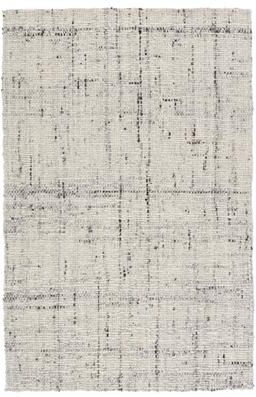

Similar search terms for Juniper-Home-Cambridge-Collection
Top-Angebote
Products related to Juniper-Home-Cambridge-Collection:
-
Juniper Home Honza Medallion RugNeutral colors and a tree of life pattern give traditional Persian vibes, but with a contemporary flair that suits any space. The geometric and floral detailing stun in comforting hues of beige, cream, and taupe.268,00 $*Shipping: 0,00 $Secure redirect to the provider
-
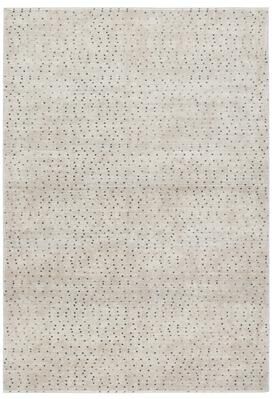
Juniper Home Honza Medallion RugNeutral colors and a tree of life pattern give traditional Persian vibes, but with a contemporary flair that suits any space. The geometric and floral detailing stun in comforting hues of beige, cream, and taupe.322,00 $*Shipping: 0,00 $Secure redirect to the provider


-
From when does juniper bear berries?
Juniper typically starts to bear berries when the plant reaches 3-6 years of age. However, the exact timing can vary depending on the species of juniper and growing conditions. Once the juniper plant is mature enough, it will produce berries annually, usually in the late summer or fall. The berries will continue to ripen and mature over the winter months, providing a food source for birds and other wildlife. **
-
Are juniper roots deep or shallow?
Juniper roots are typically shallow, spreading out horizontally near the surface of the soil. They are known for their extensive root systems that can cover a wide area to help the plant access water and nutrients. This shallow root system also makes junipers well-adapted to dry and rocky soils, as they can quickly absorb moisture from the surface. **
-
Where does the name Juniper come from?
The name Juniper comes from the Latin word "juniperus," which means "youth-producing" or "evergreen." Juniper is a type of coniferous tree or shrub that is known for its aromatic berries and needle-like leaves. The name Juniper has been used for centuries and is often associated with qualities such as protection, purification, and healing. **
-
Where can one buy fresh juniper berries?
Fresh juniper berries can be purchased at specialty grocery stores, farmers' markets, or online from retailers that specialize in herbs and spices. Some health food stores may also carry fresh juniper berries. Additionally, if you have access to a juniper tree, you can harvest your own fresh juniper berries. **


What is the Cambridge Exam 2?
The Cambridge Exam 2 is a series of English language proficiency exams offered by the University of Cambridge. It is designed to assess a candidate's ability to communicate effectively in English, with different levels of difficulty ranging from A2 (Elementary) to C2 (Proficiency). The exam covers various language skills such as reading, writing, listening, and speaking, and is widely recognized by universities, employers, and governments around the world. Passing the Cambridge Exam 2 can demonstrate a candidate's proficiency in English and open up opportunities for further education or employment. **
How do I become a Cambridge student?
To become a Cambridge student, you will need to apply directly to the University of Cambridge through the UCAS system for undergraduate programs or through the University's graduate admissions process for postgraduate programs. You will need to meet the academic requirements for your chosen course, which may include specific grades, standardized test scores, and references. Additionally, you may need to attend an interview or submit written work as part of the application process. It is important to carefully review the specific requirements for your desired program and submit a strong application to increase your chances of being accepted as a Cambridge student. **
Top-Angebote
Products related to Juniper-Home-Cambridge-Collection:
-
Juniper Home Honza Medallion RugNeutral colors and a tree of life pattern give traditional Persian vibes, but with a contemporary flair that suits any space. The geometric and floral detailing stun in comforting hues of beige, cream, and taupe.440,00 $*Shipping: 0,00 $Secure redirect to the provider
-
Is there juniper kindling?
Yes, juniper kindling is available. Juniper wood is known for its aromatic scent and is often used for kindling because it ignites easily and burns hot. It is a popular choice for starting fires in fireplaces, wood stoves, and campfires. Juniper kindling can be found at many outdoor supply stores or can be gathered from juniper trees in certain regions. **
-
What is juniper made of?
Juniper is made of the berries from the juniper tree, specifically the female juniper plant. These berries are small, round, and bluish-black in color. They are known for their strong, piney flavor and are commonly used as a spice in cooking and for making gin. Juniper berries contain essential oils that give them their distinctive taste and aroma. **
-
From when does juniper bear berries?
Juniper typically starts to bear berries when the plant reaches 3-6 years of age. However, the exact timing can vary depending on the species of juniper and growing conditions. Once the juniper plant is mature enough, it will produce berries annually, usually in the late summer or fall. The berries will continue to ripen and mature over the winter months, providing a food source for birds and other wildlife. **
-
Are juniper roots deep or shallow?
Juniper roots are typically shallow, spreading out horizontally near the surface of the soil. They are known for their extensive root systems that can cover a wide area to help the plant access water and nutrients. This shallow root system also makes junipers well-adapted to dry and rocky soils, as they can quickly absorb moisture from the surface. **
Similar search terms for Juniper-Home-Cambridge-Collection
-
Juniper Home Honza Medallion RugNeutral colors and a tree of life pattern give traditional Persian vibes, but with a contemporary flair that suits any space. The geometric and floral detailing stun in comforting hues of beige, cream, and taupe.268,00 $*Shipping: 0,00 $Secure redirect to the provider
-
Juniper Home Honza Medallion RugNeutral colors and a tree of life pattern give traditional Persian vibes, but with a contemporary flair that suits any space. The geometric and floral detailing stun in comforting hues of beige, cream, and taupe.322,00 $*Shipping: 0,00 $Secure redirect to the provider
-
Juniper Home Honza Medallion RugNeutral colors and a tree of life pattern give traditional Persian vibes, but with a contemporary flair that suits any space. The geometric and floral detailing stun in comforting hues of beige, cream, and taupe.216,00 $*Shipping: 0,00 $Secure redirect to the provider
-
Where does the name Juniper come from?
The name Juniper comes from the Latin word "juniperus," which means "youth-producing" or "evergreen." Juniper is a type of coniferous tree or shrub that is known for its aromatic berries and needle-like leaves. The name Juniper has been used for centuries and is often associated with qualities such as protection, purification, and healing. **
-
Where can one buy fresh juniper berries?
Fresh juniper berries can be purchased at specialty grocery stores, farmers' markets, or online from retailers that specialize in herbs and spices. Some health food stores may also carry fresh juniper berries. Additionally, if you have access to a juniper tree, you can harvest your own fresh juniper berries. **
-
What is the Cambridge Exam 2?
The Cambridge Exam 2 is a series of English language proficiency exams offered by the University of Cambridge. It is designed to assess a candidate's ability to communicate effectively in English, with different levels of difficulty ranging from A2 (Elementary) to C2 (Proficiency). The exam covers various language skills such as reading, writing, listening, and speaking, and is widely recognized by universities, employers, and governments around the world. Passing the Cambridge Exam 2 can demonstrate a candidate's proficiency in English and open up opportunities for further education or employment. **
-
How do I become a Cambridge student?
To become a Cambridge student, you will need to apply directly to the University of Cambridge through the UCAS system for undergraduate programs or through the University's graduate admissions process for postgraduate programs. You will need to meet the academic requirements for your chosen course, which may include specific grades, standardized test scores, and references. Additionally, you may need to attend an interview or submit written work as part of the application process. It is important to carefully review the specific requirements for your desired program and submit a strong application to increase your chances of being accepted as a Cambridge student. **
* All prices are inclusive of VAT and, if applicable, plus shipping costs. The offer information is based on the details provided by the respective shop and is updated through automated processes. Real-time updates do not occur, so deviations can occur in individual cases. ** Note: Parts of this content were created by AI.