Buy landingpage.info ?
We are moving the project
landingpage.info .
Are you interested in purchasing the domain
landingpage.info ?
domain@kv-gmbh.de · 0541-91531010
Buy landingpage.info ?
What is the clutch engagement point?
The clutch engagement point is the specific moment when the clutch pedal is released and the clutch plate makes contact with the flywheel, allowing power to be transmitted from the engine to the transmission. This point is crucial for smooth and efficient shifting of gears in a manual transmission vehicle. Finding the right engagement point is important for smooth acceleration and preventing stalling. It requires coordination between the driver's foot and the engine's RPM to achieve a smooth engagement. **
How can the pressure on the motorcycle clutch lever be reduced?
The pressure on the motorcycle clutch lever can be reduced by adjusting the clutch cable tension. This can be done by loosening the lock nut on the clutch cable adjuster and turning the adjuster to increase the slack in the cable. Another way to reduce the pressure is by lubricating the clutch cable and pivot points to ensure smooth operation. Additionally, using a clutch lever with a shorter reach or a lighter spring can also help reduce the pressure required to operate the clutch. **
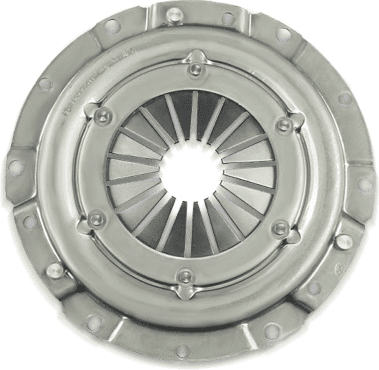

Similar search terms for KAWE-6109-Clutch-Pressure
Top-Angebote
Products related to KAWE-6109-Clutch-Pressure:
-
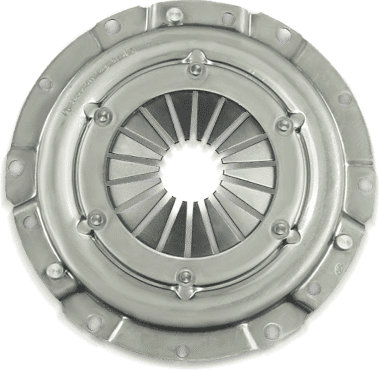
KAWE 5066 Clutch Pressure PlateDiameter: 228; Parameter: 228 ED; Transmission Type: 4-Speed Manual Transmission; Vehicle Identification Number (VIN) to: 050399, 023149, 042203, 000184, 000118, 027622, 028985, 104064, 117768, 029325, 004425, 002202, 009835, 499999, 240084, 556499, 108506, 237623, 240113, 005461, 145736 LHD, 148036 RHD, 182065 LHD, 182065 RHD, 145736; Vehicle Identification Number (VIN) from: 029326, 240114, 556500, 240085, 500001, 941506, 082859, 145737 LHD, 148037 RHD, 182066; Transmission Code: 711, ZF, mit Nebenabtrieb; Vehicle type: 366/367/376/377, 601.316/317/318/326, /327/328, 326-328/361/362, /366-368/, 371/372/376/377/382, 602.311-313/316-318, /321-323/, 371/372, 601.311/312/321/322, /361/362/, 426-428/461/462/466, /467/, 476/477, 601.411/412/416-418, /421/422/, 468/471/472/476/477, /487, 602.411-413/416-418, /421-423/, 371/372/376/377, /421-423/426-428/, 461/462/466/467/468, /471/472/476/477/487, /327/328/, 361/362/371/372, 309.100-103, 309.111-116, 309.124-126, 667.301, 667.302, 667.341, 667.342, 667.361, 667.362, 667.001, 667.002, 667.061, 667.062; Left-/right-hand drive vehicles: for right-hand drive vehicles, for left-hand drive vehicles; Drive Shafts/Output Shafts: for power take-off261,99 £*Shipping: 1,99 £Secure redirect to the provider

-
Why does the clutch stick and then too much pressure builds up on it?
The clutch may stick and build up too much pressure due to several reasons. One common cause is a lack of lubrication in the clutch system, which can lead to friction and sticking. Another reason could be a worn or damaged clutch release bearing, which can cause the clutch to not fully disengage and result in pressure buildup. Additionally, a misaligned or damaged clutch linkage can also cause the clutch to stick and create excessive pressure. It is important to address these issues promptly to prevent further damage to the clutch system. **
-
Is the clutch engagement point the same in every car?
No, the clutch engagement point is not the same in every car. The engagement point is determined by the design of the clutch system, including the type of clutch, the clutch pedal mechanism, and the overall transmission setup. Some cars may have a higher engagement point, while others may have a lower engagement point. Additionally, the engagement point can also be affected by wear and tear on the clutch components. Therefore, it's important for drivers to familiarize themselves with the specific engagement point of each car they drive. **
-
Is the extremely short engagement point of the clutch an indication that the clutch of a used car is defective?
Not necessarily. The engagement point of a clutch can vary depending on the make and model of the car, as well as the driver's preference. While a very short engagement point could potentially be a sign of wear or a defect in the clutch system, it is not a definitive indicator on its own. It is best to have a professional mechanic inspect the clutch system to determine if there are any issues that need to be addressed. **
-
How is the conversion of the liter indication on the pressure regulator into a pressure indication done?
The conversion of the liter indication on the pressure regulator into a pressure indication is done using a conversion factor. This conversion factor is typically provided by the manufacturer and is based on the specific characteristics of the gas being used. The liter indication is multiplied by the conversion factor to obtain the pressure indication in the desired unit, such as psi or bar. It is important to use the correct conversion factor for accurate pressure readings and to ensure the safe and effective use of the pressure regulator. **

Which clutch attachment?
The best clutch attachment depends on the specific needs and preferences of the individual. Some popular options include a wristlet strap for easy carrying, a chain strap for a more elegant look, or a crossbody strap for hands-free convenience. Consider the occasions and outfits you'll be using the clutch for, as well as your personal style and comfort, to determine the best attachment for you. **
What does the term pressure liter content product mean in relation to a pressure vessel?
The term pressure liter content product refers to the maximum volume of gas or liquid that a pressure vessel can hold under a specific pressure. It indicates the capacity of the vessel to contain a certain amount of substance while maintaining the required pressure levels. This measurement is crucial for ensuring the safe and efficient operation of the pressure vessel, as exceeding the designated pressure liter content product can lead to potential hazards such as leaks or ruptures. Manufacturers provide this information to help users understand the limitations and capabilities of the pressure vessel. **
Top-Angebote
Products related to KAWE-6109-Clutch-Pressure:
-
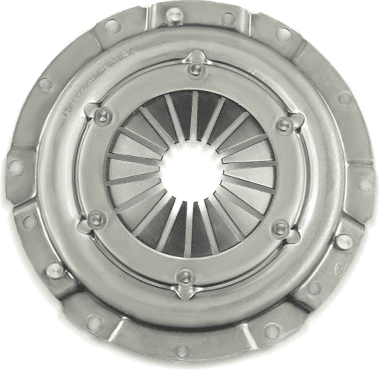
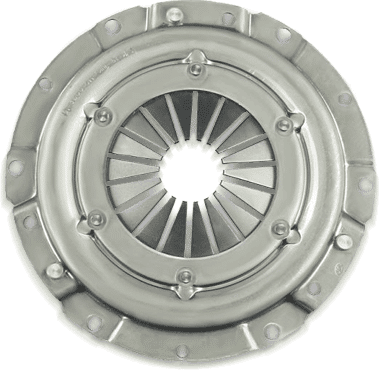
KAWE 6109 Clutch Pressure PlateDiameter: 330; Parameter: 330 ED; Vehicle Identification Number (VIN) from: 002155, 001571, 4275351, 4275670, 4274599, 4188090, 4276221; Engine Code: OM366A,LA, OM366,A, OM366, OM356,366,A,LA; Clutch: for vehicles with single disc clutch; Vehicle Equipment Line/Trim Level: SA24493-01, SA24482-03, Turbo; Construction Year from: 06/1977; Vehicle type: 435.111, 435.110, 436.320, 436.321, 425.121, 435.117; Vehicle Identification Number (VIN) to: 010 812181,99 £*Shipping: 1,99 £Secure redirect to the provider
-
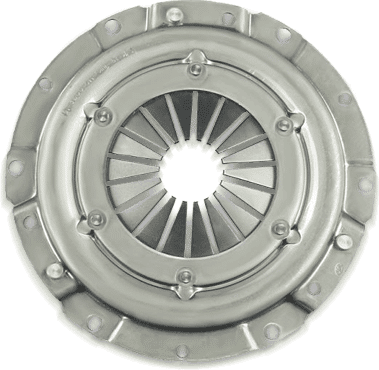
KAWE 5066 Clutch Pressure PlateDiameter: 228; Parameter: 228 ED; Transmission Type: 4-Speed Manual Transmission; Vehicle Identification Number (VIN) to: 050399, 023149, 042203, 000184, 000118, 027622, 028985, 104064, 117768, 029325, 004425, 002202, 009835, 499999, 240084, 556499, 108506, 237623, 240113, 005461, 145736 LHD, 148036 RHD, 182065 LHD, 182065 RHD, 145736; Vehicle Identification Number (VIN) from: 029326, 240114, 556500, 240085, 500001, 941506, 082859, 145737 LHD, 148037 RHD, 182066; Transmission Code: 711, ZF, mit Nebenabtrieb; Vehicle type: 366/367/376/377, 601.316/317/318/326, /327/328, 326-328/361/362, /366-368/, 371/372/376/377/382, 602.311-313/316-318, /321-323/, 371/372, 601.311/312/321/322, /361/362/, 426-428/461/462/466, /467/, 476/477, 601.411/412/416-418, /421/422/, 468/471/472/476/477, /487, 602.411-413/416-418, /421-423/, 371/372/376/377, /421-423/426-428/, 461/462/466/467/468, /471/472/476/477/487, /327/328/, 361/362/371/372, 309.100-103, 309.111-116, 309.124-126, 667.301, 667.302, 667.341, 667.342, 667.361, 667.362, 667.001, 667.002, 667.061, 667.062; Left-/right-hand drive vehicles: for right-hand drive vehicles, for left-hand drive vehicles; Drive Shafts/Output Shafts: for power take-off261,99 £*Shipping: 1,99 £Secure redirect to the provider
-
What is the clutch engagement point?
The clutch engagement point is the specific moment when the clutch pedal is released and the clutch plate makes contact with the flywheel, allowing power to be transmitted from the engine to the transmission. This point is crucial for smooth and efficient shifting of gears in a manual transmission vehicle. Finding the right engagement point is important for smooth acceleration and preventing stalling. It requires coordination between the driver's foot and the engine's RPM to achieve a smooth engagement. **
-
How can the pressure on the motorcycle clutch lever be reduced?
The pressure on the motorcycle clutch lever can be reduced by adjusting the clutch cable tension. This can be done by loosening the lock nut on the clutch cable adjuster and turning the adjuster to increase the slack in the cable. Another way to reduce the pressure is by lubricating the clutch cable and pivot points to ensure smooth operation. Additionally, using a clutch lever with a shorter reach or a lighter spring can also help reduce the pressure required to operate the clutch. **
-
Why does the clutch stick and then too much pressure builds up on it?
The clutch may stick and build up too much pressure due to several reasons. One common cause is a lack of lubrication in the clutch system, which can lead to friction and sticking. Another reason could be a worn or damaged clutch release bearing, which can cause the clutch to not fully disengage and result in pressure buildup. Additionally, a misaligned or damaged clutch linkage can also cause the clutch to stick and create excessive pressure. It is important to address these issues promptly to prevent further damage to the clutch system. **
-
Is the clutch engagement point the same in every car?
No, the clutch engagement point is not the same in every car. The engagement point is determined by the design of the clutch system, including the type of clutch, the clutch pedal mechanism, and the overall transmission setup. Some cars may have a higher engagement point, while others may have a lower engagement point. Additionally, the engagement point can also be affected by wear and tear on the clutch components. Therefore, it's important for drivers to familiarize themselves with the specific engagement point of each car they drive. **
Similar search terms for KAWE-6109-Clutch-Pressure
-
Is the extremely short engagement point of the clutch an indication that the clutch of a used car is defective?
Not necessarily. The engagement point of a clutch can vary depending on the make and model of the car, as well as the driver's preference. While a very short engagement point could potentially be a sign of wear or a defect in the clutch system, it is not a definitive indicator on its own. It is best to have a professional mechanic inspect the clutch system to determine if there are any issues that need to be addressed. **
-
How is the conversion of the liter indication on the pressure regulator into a pressure indication done?
The conversion of the liter indication on the pressure regulator into a pressure indication is done using a conversion factor. This conversion factor is typically provided by the manufacturer and is based on the specific characteristics of the gas being used. The liter indication is multiplied by the conversion factor to obtain the pressure indication in the desired unit, such as psi or bar. It is important to use the correct conversion factor for accurate pressure readings and to ensure the safe and effective use of the pressure regulator. **
-
Which clutch attachment?
The best clutch attachment depends on the specific needs and preferences of the individual. Some popular options include a wristlet strap for easy carrying, a chain strap for a more elegant look, or a crossbody strap for hands-free convenience. Consider the occasions and outfits you'll be using the clutch for, as well as your personal style and comfort, to determine the best attachment for you. **
-
What does the term pressure liter content product mean in relation to a pressure vessel?
The term pressure liter content product refers to the maximum volume of gas or liquid that a pressure vessel can hold under a specific pressure. It indicates the capacity of the vessel to contain a certain amount of substance while maintaining the required pressure levels. This measurement is crucial for ensuring the safe and efficient operation of the pressure vessel, as exceeding the designated pressure liter content product can lead to potential hazards such as leaks or ruptures. Manufacturers provide this information to help users understand the limitations and capabilities of the pressure vessel. **
* All prices are inclusive of VAT and, if applicable, plus shipping costs. The offer information is based on the details provided by the respective shop and is updated through automated processes. Real-time updates do not occur, so deviations can occur in individual cases. ** Note: Parts of this content were created by AI.