Buy landingpage.info ?
We are moving the project
landingpage.info .
Are you interested in purchasing the domain
landingpage.info ?
domain@kv-gmbh.de · 0541-91531010
Buy landingpage.info ?
What are mitochondria?
Mitochondria are membrane-bound organelles found in the cells of most eukaryotic organisms. They are often referred to as the powerhouse of the cell because they are responsible for producing the majority of the cell's energy in the form of adenosine triphosphate (ATP) through a process called cellular respiration. Mitochondria have their own DNA and are believed to have originated from ancient bacteria that were engulfed by a primitive eukaryotic cell through a process called endosymbiosis. They play a crucial role in various cellular functions, including metabolism, signaling, and cell death. **
Why are mitochondria important?
Mitochondria are important because they are the powerhouse of the cell, producing the majority of the cell's energy in the form of ATP through the process of cellular respiration. This energy is essential for various cellular functions, including growth, repair, and division. Additionally, mitochondria play a crucial role in regulating cell metabolism, signaling, and cell death. Dysfunction of mitochondria has been linked to various diseases, highlighting their importance in overall cellular health and function. **
Similar search terms for Mitochondria
Top-Angebote
Products related to Mitochondria:
-
Therascience Physiomance Mitochondria 90 CapsulesNutrition and Supplements Special supplements Therascience Physiomance Mitochondria 90 Capsules What is Therascience Physiomance Mitochondria 90 Capsules Therascience Physiomance Mitochondria is a dietary supplement specially formulated to support cellular health and improve the function of mitochondria, the powerhouses of our cells. Each bottle contains 90 capsules that combine natural and scientific ingredients that contribute to optimal energy production at the cellular level, promoting overall well-being and increased vitality. This product is designed to strengthen the body's ability to generate energy efficiently and protect cells from oxidative damage. Benefits - Improves cellular energy production, increasing vitality and physical performance. - Protects mitochondria from oxidative stress and cellular aging. - Supports energy metabolism, helping to maintain optimal energy levels throughout the day. - Contributes to neurological and muscular function thanks to its key ingredients. - Promotes muscle recovery and general well-being. Who is it for? - Therascience Physiomance Mitochondria is ideal for people looking for: - Improve your daily energy and combat chronic fatigue. - Athletes or active people who require greater energy production. - Older adults who want to protect their cells and maintain their vitality. - People exposed to high levels of oxidative stress or who wish to support cellular function. - Anyone interested in advanced mitochondrial health care. How do I apply it? It is recommended to take 3 capsules daily, preferably with meals to optimize absorption and effectiveness. It is important to accompany consumption with plenty of water. The indicated doses should not be exceeded to ensure safe and effective use. Product use Therascience Physiomance Mitochondria should be used as a complement to a balanced diet and a healthy lifestyle. Regular use helps maintain optimal energy performance and protect cells from free radical damage. This supplement does not replace medical treatments or specific diets, but it can enhance overall well-being by optimizing mitochondrial function. Buy Therascience Physiomance Mitochondria 90 Capsules If you're looking for a supplement to improve your energy and cellular health, Therascience Physiomance Mitochondria 90 Capsules is the ideal choice. Thanks to its advanced formula and selected ingredients, this product is positioned as an effective solution to increase your vitality and protect your body from the cellular level. Buy now and experience a new way to feel more energetic, healthy, and well-being every day.52,73 £*Shipping: 3,99 £Secure redirect to the provider
-
Equisalud Holoram Mitochondria 180 CapsulesNutrition and Supplements Special supplements Equisalud Holoram Mitochondria 180 Capsules Capsules. Polysaccharide of vegetable origin (pululane). It does not contain gluten, starch, transgenic or colouring agents. Suitable for vegetarians, diabetics and patients with restrictive diets. Instructions for use: -Take 1 to 2 capsules a day, or as directed by a specialist. Recommended daily amount: 1 to 2 capsules. Warnings: herbal food supplement, L-serine and magnesium. Food supplements should not be used as a substitute for a varied and balanced diet. Do not exceed the expressly recommended daily dose. Keep out of reach of young children. Inform your doctor and/or pharmacist if you are taking medication at the same time. Contains green tea. Storage: keep the container tightly closed in a cool, dry place. Contents: 180 capsules of 500 mg.127,83 £*Shipping: 3,99 £Secure redirect to the provider
-
Uplifted Finds Predatory Engagement Wrestling Puppet Hub Predatory Engagement Wrestling Puppet HubTransform interactive play with the PredatoryEngagement Puppet, a professionalgrade interaction module engineered with manualsimulation logic. This highutility tool features a reinforced plush architecture and poseable limbs, specifically designed...85,97 $*Shipping: 0,00 $Secure redirect to the provider


-
How are mitochondria formed?
Mitochondria are formed through a process called mitochondrial biogenesis, which involves the growth and division of existing mitochondria. Mitochondria have their own DNA and can replicate independently of the cell's nucleus. When a cell needs more energy, it signals for the production of new mitochondria through a complex interplay of signaling pathways and regulatory proteins. This process ensures that the cell has an adequate supply of mitochondria to meet its energy demands. **
-
How did mitochondria originate?
Mitochondria are believed to have originated from a symbiotic relationship between an ancestral eukaryotic cell and an ancient prokaryotic organism, specifically an alpha-proteobacteria. This symbiotic relationship is thought to have occurred around 1.5 billion years ago, with the prokaryotic organism being engulfed by the eukaryotic cell but not digested. Over time, this prokaryotic organism evolved into the mitochondria we see in eukaryotic cells today. This theory is supported by the fact that mitochondria have their own DNA, similar to that of bacteria, and replicate independently of the host cell. **
-
Do all cells have mitochondria?
No, not all cells have mitochondria. Mitochondria are organelles found in eukaryotic cells, which are cells that have a true nucleus and membrane-bound organelles. Prokaryotic cells, such as bacteria, do not have mitochondria. Additionally, some eukaryotic cells, like red blood cells, lose their mitochondria as they mature. **
-
Do animal cells have mitochondria?
Yes, animal cells do have mitochondria. Mitochondria are known as the powerhouse of the cell because they are responsible for producing energy in the form of ATP through a process called cellular respiration. This organelle is found in most eukaryotic cells, including animal cells, and plays a crucial role in metabolism and energy production. **

What are mitochondria and chloroplasts?
Mitochondria are membrane-bound organelles found in the cells of eukaryotic organisms, responsible for producing energy in the form of ATP through cellular respiration. They have their own DNA and are thought to have originated from ancient bacteria through endosymbiosis. Chloroplasts are also membrane-bound organelles found in plant cells and some protists, responsible for photosynthesis, the process by which they convert sunlight into energy-rich molecules like glucose. Like mitochondria, chloroplasts also have their own DNA and are believed to have originated from ancient photosynthetic bacteria through endosymbiosis. **
What are mitochondria in biology?
Mitochondria are membrane-bound organelles found in the cytoplasm of eukaryotic cells. They are often referred to as the "powerhouses" of the cell because they are responsible for producing the majority of the cell's energy in the form of adenosine triphosphate (ATP) through the process of cellular respiration. Mitochondria also play a role in regulating cellular metabolism, signaling, and cell death. They contain their own DNA and are believed to have originated from an ancient symbiotic relationship between a eukaryotic cell and a prokaryotic organism. **
Top-Angebote
Products related to Mitochondria:
-
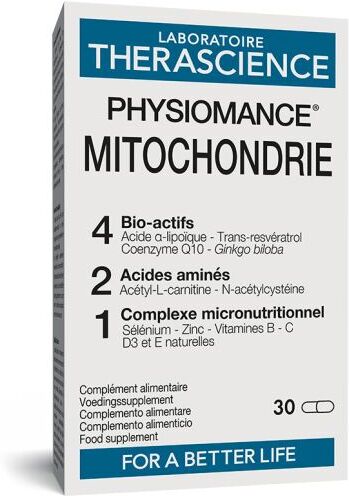
Therascience Mitochondria 30 CapsulesNutrition and Supplements Special supplements Therascience Mitochondria 30 Capsules A synergistic combination that helps protect cells against oxidative stress and maintain cognitive functions such as memory and concentration without the risk of overstimulation. Indicated for: cellular antioxidants, general fatigue, lack of energy, or need for extra energy.21,91 £*Shipping: 3,99 £Secure redirect to the provider
-
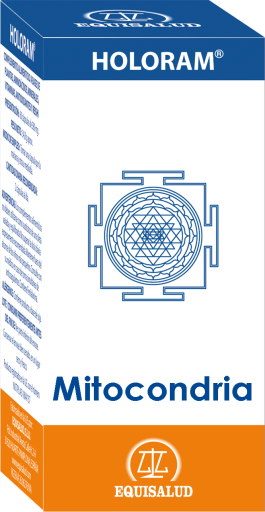
Equisalud Holoram Mitochondria 60 CapsulesNutrition and Supplements Special supplements Equisalud Holoram Mitochondria 60 Capsules Capsules. Polysaccharide of vegetable origin (pululane). It does not contain gluten, starch, transgenic or colouring agents. Suitable for vegetarians, diabetics and patients with restrictive diets. Instructions for use: -Take 1 to 2 capsules a day, or as directed by a specialist. Recommended daily amount: 1 to 2 capsules. Warnings: herbal food supplement, L-serine and magnesium. Food supplements should not be used as a substitute for a varied and balanced diet. Do not exceed the expressly recommended daily dose. Keep out of reach of young children. Inform your doctor and/or pharmacist if you are taking medication at the same time. Contains green tea. Storage: keep the container tightly closed in a cool, dry place. Contents: 60 capsules of 500 mg.53,91 £*Shipping: 3,99 £Secure redirect to the provider
-
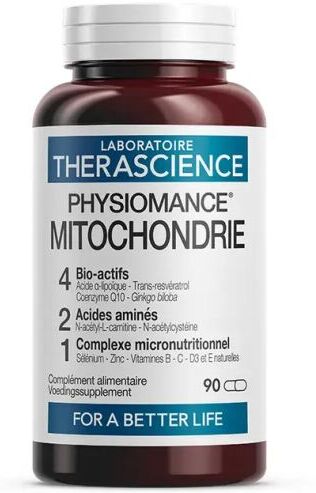
Therascience Physiomance Mitochondria 90 CapsulesNutrition and Supplements Special supplements Therascience Physiomance Mitochondria 90 Capsules What is Therascience Physiomance Mitochondria 90 Capsules Therascience Physiomance Mitochondria is a dietary supplement specially formulated to support cellular health and improve the function of mitochondria, the powerhouses of our cells. Each bottle contains 90 capsules that combine natural and scientific ingredients that contribute to optimal energy production at the cellular level, promoting overall well-being and increased vitality. This product is designed to strengthen the body's ability to generate energy efficiently and protect cells from oxidative damage. Benefits - Improves cellular energy production, increasing vitality and physical performance. - Protects mitochondria from oxidative stress and cellular aging. - Supports energy metabolism, helping to maintain optimal energy levels throughout the day. - Contributes to neurological and muscular function thanks to its key ingredients. - Promotes muscle recovery and general well-being. Who is it for? - Therascience Physiomance Mitochondria is ideal for people looking for: - Improve your daily energy and combat chronic fatigue. - Athletes or active people who require greater energy production. - Older adults who want to protect their cells and maintain their vitality. - People exposed to high levels of oxidative stress or who wish to support cellular function. - Anyone interested in advanced mitochondrial health care. How do I apply it? It is recommended to take 3 capsules daily, preferably with meals to optimize absorption and effectiveness. It is important to accompany consumption with plenty of water. The indicated doses should not be exceeded to ensure safe and effective use. Product use Therascience Physiomance Mitochondria should be used as a complement to a balanced diet and a healthy lifestyle. Regular use helps maintain optimal energy performance and protect cells from free radical damage. This supplement does not replace medical treatments or specific diets, but it can enhance overall well-being by optimizing mitochondrial function. Buy Therascience Physiomance Mitochondria 90 Capsules If you're looking for a supplement to improve your energy and cellular health, Therascience Physiomance Mitochondria 90 Capsules is the ideal choice. Thanks to its advanced formula and selected ingredients, this product is positioned as an effective solution to increase your vitality and protect your body from the cellular level. Buy now and experience a new way to feel more energetic, healthy, and well-being every day.52,73 £*Shipping: 3,99 £Secure redirect to the provider
-
Equisalud Holoram Mitochondria 180 CapsulesNutrition and Supplements Special supplements Equisalud Holoram Mitochondria 180 Capsules Capsules. Polysaccharide of vegetable origin (pululane). It does not contain gluten, starch, transgenic or colouring agents. Suitable for vegetarians, diabetics and patients with restrictive diets. Instructions for use: -Take 1 to 2 capsules a day, or as directed by a specialist. Recommended daily amount: 1 to 2 capsules. Warnings: herbal food supplement, L-serine and magnesium. Food supplements should not be used as a substitute for a varied and balanced diet. Do not exceed the expressly recommended daily dose. Keep out of reach of young children. Inform your doctor and/or pharmacist if you are taking medication at the same time. Contains green tea. Storage: keep the container tightly closed in a cool, dry place. Contents: 180 capsules of 500 mg.127,83 £*Shipping: 3,99 £Secure redirect to the provider
-
What are mitochondria?
Mitochondria are membrane-bound organelles found in the cells of most eukaryotic organisms. They are often referred to as the powerhouse of the cell because they are responsible for producing the majority of the cell's energy in the form of adenosine triphosphate (ATP) through a process called cellular respiration. Mitochondria have their own DNA and are believed to have originated from ancient bacteria that were engulfed by a primitive eukaryotic cell through a process called endosymbiosis. They play a crucial role in various cellular functions, including metabolism, signaling, and cell death. **
-
Why are mitochondria important?
Mitochondria are important because they are the powerhouse of the cell, producing the majority of the cell's energy in the form of ATP through the process of cellular respiration. This energy is essential for various cellular functions, including growth, repair, and division. Additionally, mitochondria play a crucial role in regulating cell metabolism, signaling, and cell death. Dysfunction of mitochondria has been linked to various diseases, highlighting their importance in overall cellular health and function. **
-
How are mitochondria formed?
Mitochondria are formed through a process called mitochondrial biogenesis, which involves the growth and division of existing mitochondria. Mitochondria have their own DNA and can replicate independently of the cell's nucleus. When a cell needs more energy, it signals for the production of new mitochondria through a complex interplay of signaling pathways and regulatory proteins. This process ensures that the cell has an adequate supply of mitochondria to meet its energy demands. **
-
How did mitochondria originate?
Mitochondria are believed to have originated from a symbiotic relationship between an ancestral eukaryotic cell and an ancient prokaryotic organism, specifically an alpha-proteobacteria. This symbiotic relationship is thought to have occurred around 1.5 billion years ago, with the prokaryotic organism being engulfed by the eukaryotic cell but not digested. Over time, this prokaryotic organism evolved into the mitochondria we see in eukaryotic cells today. This theory is supported by the fact that mitochondria have their own DNA, similar to that of bacteria, and replicate independently of the host cell. **
Similar search terms for Mitochondria
-
Uplifted Finds Predatory Engagement Wrestling Puppet Hub Predatory Engagement Wrestling Puppet HubTransform interactive play with the PredatoryEngagement Puppet, a professionalgrade interaction module engineered with manualsimulation logic. This highutility tool features a reinforced plush architecture and poseable limbs, specifically designed...85,97 $*Shipping: 0,00 $Secure redirect to the provider
-
La Cafetiere Induction Conversion PlateThe La Cafetiere induction conversion plate is made from aluminium and stainless steel. The plate is used to enable non-induction cookware to be used efficiently on induction hobs. Suitable for use on all inductions hobs, the construction of the 3.4mm thick plate promotes even heat distribution and includes a heat resistant handle for easy handling. Perfect for use with whistling kettles and stove top espresso makers. Complete with a 12 month manufacturers guarantee. Size: 13cm dia.17,59 £*Shipping: 3,50 £Secure redirect to the provider
-
Rinnai HDC1600i LPG Conversion KitRinnai HDC1600i LPG Conversion Kit. Specially designed for the Rinnai HDC1600I model, this replacement part ensures your water heating system operates at its best. Benefits of Regular Maintenance: Enhanced Efficiency: Regular servicing can ensure that your water heater operates at peak efficiency, reducing energy bills. Longer Lifespan: Preventing buildup and replacing worn-out parts can significantly extend the life of your water heater. Safety: Ensuring that your appliance is in top condition minimizes the risk of leaks or malfunctions. Installation & Safety: Always ensure that installation and servicing are carried out by a qualified technician familiar with Rinnai products. Turn off the gas supply and disconnect power before be75,60 £*Shipping: 0,00 £Secure redirect to the provider
-
Do all cells have mitochondria?
No, not all cells have mitochondria. Mitochondria are organelles found in eukaryotic cells, which are cells that have a true nucleus and membrane-bound organelles. Prokaryotic cells, such as bacteria, do not have mitochondria. Additionally, some eukaryotic cells, like red blood cells, lose their mitochondria as they mature. **
-
Do animal cells have mitochondria?
Yes, animal cells do have mitochondria. Mitochondria are known as the powerhouse of the cell because they are responsible for producing energy in the form of ATP through a process called cellular respiration. This organelle is found in most eukaryotic cells, including animal cells, and plays a crucial role in metabolism and energy production. **
-
What are mitochondria and chloroplasts?
Mitochondria are membrane-bound organelles found in the cells of eukaryotic organisms, responsible for producing energy in the form of ATP through cellular respiration. They have their own DNA and are thought to have originated from ancient bacteria through endosymbiosis. Chloroplasts are also membrane-bound organelles found in plant cells and some protists, responsible for photosynthesis, the process by which they convert sunlight into energy-rich molecules like glucose. Like mitochondria, chloroplasts also have their own DNA and are believed to have originated from ancient photosynthetic bacteria through endosymbiosis. **
-
What are mitochondria in biology?
Mitochondria are membrane-bound organelles found in the cytoplasm of eukaryotic cells. They are often referred to as the "powerhouses" of the cell because they are responsible for producing the majority of the cell's energy in the form of adenosine triphosphate (ATP) through the process of cellular respiration. Mitochondria also play a role in regulating cellular metabolism, signaling, and cell death. They contain their own DNA and are believed to have originated from an ancient symbiotic relationship between a eukaryotic cell and a prokaryotic organism. **
* All prices are inclusive of VAT and, if applicable, plus shipping costs. The offer information is based on the details provided by the respective shop and is updated through automated processes. Real-time updates do not occur, so deviations can occur in individual cases. ** Note: Parts of this content were created by AI.