Buy landingpage.info ?
We are moving the project
landingpage.info .
Are you interested in purchasing the domain
landingpage.info ?
domain@kv-gmbh.de · 0541-91531010
Buy landingpage.info ?
Instead of 4 ohm speakers, 8 ohm?
Using 8 ohm speakers instead of 4 ohm speakers can have some advantages. The higher impedance of 8 ohm speakers can result in better sound quality and clarity, as they are less likely to strain the amplifier. Additionally, 8 ohm speakers are more common and widely available, making it easier to find compatible equipment. However, it's important to ensure that the amplifier can handle the higher impedance to prevent any damage. **
How does a 2-ohm radio work with 4-ohm speakers?
A 2-ohm radio connected to 4-ohm speakers can potentially cause issues. The mismatch in impedance can lead to distortion, overheating, and potentially damage the radio or speakers. It is recommended to match the impedance of the radio and speakers for optimal performance and to prevent any damage. If using a 2-ohm radio with 4-ohm speakers, it is advisable to use a speaker impedance matching device to ensure compatibility. **

Similar search terms for Ohm
Top-Angebote
Products related to Ohm:
-
GlowBake Advanced Skin Tester, Face Skin Moisture & Oil Content Analyzer Advanced Skin Tester, Face Skin Moisture & Oil Content AnalyzerDiscover your skins true condition with our advanced Skin Tester a compact yet powerful face skin analyzer designed to measure moisture, oil content, skin water, cheek elastic quality, and even estimate skin age in seconds. Ideal for home use or pro...27,97 $*Shipping: 0,00 $Secure redirect to the provider
-
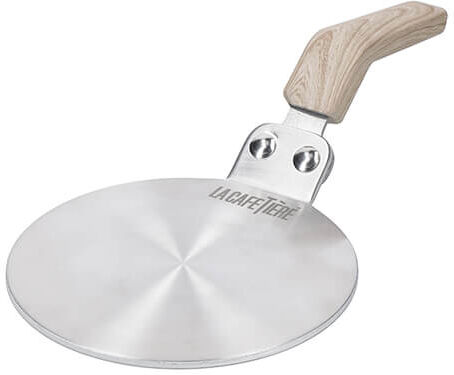
La Cafetiere Induction Conversion PlateThe La Cafetiere induction conversion plate is made from aluminium and stainless steel. The plate is used to enable non-induction cookware to be used efficiently on induction hobs. Suitable for use on all inductions hobs, the construction of the 3.4mm thick plate promotes even heat distribution and includes a heat resistant handle for easy handling. Perfect for use with whistling kettles and stove top espresso makers. Complete with a 12 month manufacturers guarantee. Size: 13cm dia.17,59 £*Shipping: 3,50 £Secure redirect to the provider

-
What is the difference between 4 ohm and 6 ohm HiFi?
The main difference between 4 ohm and 6 ohm HiFi speakers is their impedance. The lower the impedance, the more power the speakers will draw from the amplifier. 4 ohm speakers will draw more power from the amplifier compared to 6 ohm speakers, which means they can potentially produce louder sound. However, not all amplifiers are designed to handle 4 ohm speakers, so it's important to check the compatibility of the speakers with the amplifier before making a purchase. **
-
Can I connect a 6-ohm speaker to a 3-ohm amplifier?
It is not recommended to connect a 6-ohm speaker to a 3-ohm amplifier. The speaker's impedance should ideally be higher than the amplifier's output impedance to prevent damage to the amplifier. Mismatched impedance can result in poor sound quality, overheating, and potentially damaging the equipment. It is best to use speakers and amplifiers with matching or compatible impedance ratings to ensure optimal performance and longevity of the equipment. **
-
Can you bridge a 4-ohm subwoofer to a 4-ohm amplifier?
No, it is not recommended to bridge a 4-ohm subwoofer to a 4-ohm amplifier. Bridging involves combining two channels of an amplifier to increase power output, but in this case, the impedance of the subwoofer matches the amplifier. Bridging a 4-ohm subwoofer to a 4-ohm amplifier could potentially overload the amplifier and cause damage to the equipment. It is best to match the impedance of the subwoofer and amplifier for optimal performance and to prevent any potential damage. **
-
Can you operate a 4-ohm subwoofer with a 1-ohm amplifier?
No, it is not recommended to operate a 4-ohm subwoofer with a 1-ohm amplifier. The impedance of the subwoofer should match or be higher than the minimum stable impedance rating of the amplifier to prevent damage to the equipment. Using a subwoofer with a higher impedance than the amplifier's minimum rating can cause the amplifier to overheat and potentially fail. It is important to match the impedance ratings of the subwoofer and amplifier for optimal performance and to avoid any potential damage. **

Can an 8-ohm speaker be connected to a 6-ohm amplifier?
Yes, an 8-ohm speaker can be connected to a 6-ohm amplifier. The speaker's impedance (ohms) should be equal to or higher than the amplifier's output impedance, but it is generally safe to connect a higher impedance speaker to a lower impedance amplifier. This mismatch may result in a slightly lower power output from the amplifier, but it should not cause any damage to either the speaker or the amplifier. However, it is not recommended to connect a lower impedance speaker to a higher impedance amplifier, as this can potentially damage the amplifier. **
Can a 4-ohm subwoofer be operated with a 1-ohm amplifier?
No, a 4-ohm subwoofer should not be operated with a 1-ohm amplifier. The impedance of the subwoofer should match or be higher than the minimum impedance rating of the amplifier to prevent damage to the equipment. Using a 4-ohm subwoofer with a 1-ohm amplifier can result in overheating, distortion, and potentially damaging the amplifier or subwoofer. It is important to always match the impedance ratings of the subwoofer and amplifier for optimal performance and to avoid any potential damage. **
Top-Angebote
Products related to Ohm:
-
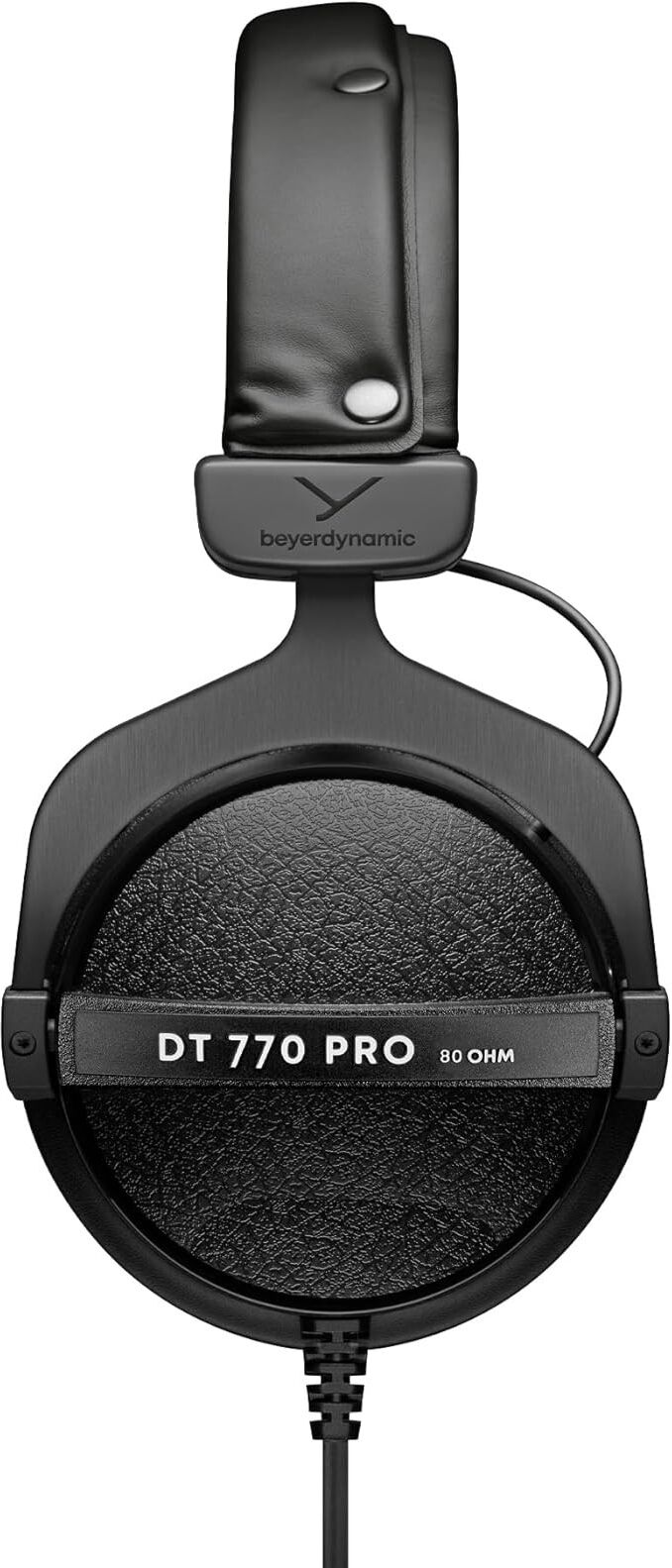
beyerdynamic DT 770 PRO 80 Ohm – Closed-Back Studio Headphones (80 Ohm)The beyerdynamic DT 770 PRO 80 Ohm is a professional closed-back studio headphone designed for monitoring, recording, music production and critical listening. Its over-ear design helps isolate the listener from surrounding noise, while the closed acoustic construction delivers detailed sound reproduction with powerful bass response. Made in Germany, it combines professional audio performance with durable construction for studio and everyday use. Featuring a frequency response of 5Hz to 35,000Hz and a nominal impedance of 80 ohms, the DT 770 PRO reproduces a wide range of audio frequencies with clarity and detail. Its innovative bass reflex system supports a powerful low-frequency response, making it suitable for musicians, sound engineers, producers and audio enthusiasts. The headphones feature soft, circumaural velour ear pads designed to surround the ears for comfortable extended listening. The adjustable, padded headband incorporates a robust spring-steel construction, providing a secure fit for studio sessions. The ear pads and other components are replaceable, helping extend the product's service life. With a wired connection, the DT 770 PRO features a 3.5mm stereo jack plug and a supplied 6.35mm adapter for compatibility with a range of audio equipment. Its 80-ohm design is suited to many studio monitoring applications, particularly when used with an appropriate headphone output. The classic black finish complements its professional appearance.107,49 £*Shipping: 0,00 £Secure redirect to the provider
-
Uplifted Finds Predatory Engagement Wrestling Puppet Hub Predatory Engagement Wrestling Puppet HubTransform interactive play with the PredatoryEngagement Puppet, a professionalgrade interaction module engineered with manualsimulation logic. This highutility tool features a reinforced plush architecture and poseable limbs, specifically designed...85,97 $*Shipping: 0,00 $Secure redirect to the provider
-
GlowBake Advanced Skin Tester, Face Skin Moisture & Oil Content Analyzer Advanced Skin Tester, Face Skin Moisture & Oil Content AnalyzerDiscover your skins true condition with our advanced Skin Tester a compact yet powerful face skin analyzer designed to measure moisture, oil content, skin water, cheek elastic quality, and even estimate skin age in seconds. Ideal for home use or pro...27,97 $*Shipping: 0,00 $Secure redirect to the provider
-
Instead of 4 ohm speakers, 8 ohm?
Using 8 ohm speakers instead of 4 ohm speakers can have some advantages. The higher impedance of 8 ohm speakers can result in better sound quality and clarity, as they are less likely to strain the amplifier. Additionally, 8 ohm speakers are more common and widely available, making it easier to find compatible equipment. However, it's important to ensure that the amplifier can handle the higher impedance to prevent any damage. **
-
How does a 2-ohm radio work with 4-ohm speakers?
A 2-ohm radio connected to 4-ohm speakers can potentially cause issues. The mismatch in impedance can lead to distortion, overheating, and potentially damage the radio or speakers. It is recommended to match the impedance of the radio and speakers for optimal performance and to prevent any damage. If using a 2-ohm radio with 4-ohm speakers, it is advisable to use a speaker impedance matching device to ensure compatibility. **
-
What is the difference between 4 ohm and 6 ohm HiFi?
The main difference between 4 ohm and 6 ohm HiFi speakers is their impedance. The lower the impedance, the more power the speakers will draw from the amplifier. 4 ohm speakers will draw more power from the amplifier compared to 6 ohm speakers, which means they can potentially produce louder sound. However, not all amplifiers are designed to handle 4 ohm speakers, so it's important to check the compatibility of the speakers with the amplifier before making a purchase. **
-
Can I connect a 6-ohm speaker to a 3-ohm amplifier?
It is not recommended to connect a 6-ohm speaker to a 3-ohm amplifier. The speaker's impedance should ideally be higher than the amplifier's output impedance to prevent damage to the amplifier. Mismatched impedance can result in poor sound quality, overheating, and potentially damaging the equipment. It is best to use speakers and amplifiers with matching or compatible impedance ratings to ensure optimal performance and longevity of the equipment. **
Similar search terms for Ohm
-
La Cafetiere Induction Conversion PlateThe La Cafetiere induction conversion plate is made from aluminium and stainless steel. The plate is used to enable non-induction cookware to be used efficiently on induction hobs. Suitable for use on all inductions hobs, the construction of the 3.4mm thick plate promotes even heat distribution and includes a heat resistant handle for easy handling. Perfect for use with whistling kettles and stove top espresso makers. Complete with a 12 month manufacturers guarantee. Size: 13cm dia.17,59 £*Shipping: 3,50 £Secure redirect to the provider
-
Rinnai HDC1200i Conversion Kit - LPGRinnai HDC1200i Conversion Kit - LPG (P1200IKM-LPG) This is the genuine Rinnai LPG conversion kit for the HDC1200i continuous flow water heater, engineered to get the fuel configuration right for safe, accurate, and efficient operation on LPG. As with all genuine Rinnai parts, it's built to the manufacturer's own specification, which matters when the outcome is correct combustion rather than an approximation of it. Whether the appliance is being converted from natural gas to LPG or components are simply being replaced as part of servicing, using the genuine kit is the only way to ensure combustion remains safe, performance stays reliable, and the appliance's working life isn't compromised. ⚠ Important: This conversion must be carried out by a Gas Safe registered engineer. Isolate the gas and electrical supplies before start75,60 £*Shipping: 0,00 £Secure redirect to the provider
-
Rinnai HDC1200e Conversion Kit - LPGRinnai HDC1200e Conversion Kit - LPG (P1200EKM-LPG) This is the genuine Rinnai LPG conversion kit for the HDC1200e continuous flow water heater, engineered to get the fuel configuration right for safe, accurate, and efficient operation on LPG. As with all genuine Rinnai parts, it's built to the manufacturer's own specification, which matters when the outcome is correct combustion rather than an approximation of it. Whether the appliance is being converted from natural gas to LPG or components are simply being replaced as part of servicing, using the genuine kit is the only way to ensure combustion remains safe, performance stays reliable, and the appliance's working life isn't compromised. ⚠ Important: This conversion must be carried out by a Gas Safe registered engineer. Isolate the gas and electrical supplies before start75,60 £*Shipping: 0,00 £Secure redirect to the provider
-
Can you bridge a 4-ohm subwoofer to a 4-ohm amplifier?
No, it is not recommended to bridge a 4-ohm subwoofer to a 4-ohm amplifier. Bridging involves combining two channels of an amplifier to increase power output, but in this case, the impedance of the subwoofer matches the amplifier. Bridging a 4-ohm subwoofer to a 4-ohm amplifier could potentially overload the amplifier and cause damage to the equipment. It is best to match the impedance of the subwoofer and amplifier for optimal performance and to prevent any potential damage. **
-
Can you operate a 4-ohm subwoofer with a 1-ohm amplifier?
No, it is not recommended to operate a 4-ohm subwoofer with a 1-ohm amplifier. The impedance of the subwoofer should match or be higher than the minimum stable impedance rating of the amplifier to prevent damage to the equipment. Using a subwoofer with a higher impedance than the amplifier's minimum rating can cause the amplifier to overheat and potentially fail. It is important to match the impedance ratings of the subwoofer and amplifier for optimal performance and to avoid any potential damage. **
-
Can an 8-ohm speaker be connected to a 6-ohm amplifier?
Yes, an 8-ohm speaker can be connected to a 6-ohm amplifier. The speaker's impedance (ohms) should be equal to or higher than the amplifier's output impedance, but it is generally safe to connect a higher impedance speaker to a lower impedance amplifier. This mismatch may result in a slightly lower power output from the amplifier, but it should not cause any damage to either the speaker or the amplifier. However, it is not recommended to connect a lower impedance speaker to a higher impedance amplifier, as this can potentially damage the amplifier. **
-
Can a 4-ohm subwoofer be operated with a 1-ohm amplifier?
No, a 4-ohm subwoofer should not be operated with a 1-ohm amplifier. The impedance of the subwoofer should match or be higher than the minimum impedance rating of the amplifier to prevent damage to the equipment. Using a 4-ohm subwoofer with a 1-ohm amplifier can result in overheating, distortion, and potentially damaging the amplifier or subwoofer. It is important to always match the impedance ratings of the subwoofer and amplifier for optimal performance and to avoid any potential damage. **
* All prices are inclusive of VAT and, if applicable, plus shipping costs. The offer information is based on the details provided by the respective shop and is updated through automated processes. Real-time updates do not occur, so deviations can occur in individual cases. ** Note: Parts of this content were created by AI.