Buy landingpage.info ?
We are moving the project
landingpage.info .
Are you interested in purchasing the domain
landingpage.info ?
domain@kv-gmbh.de · 0541-91531010
Buy landingpage.info ?
What are the oxonium ions?
Oxonium ions are positively charged ions that contain an oxygen atom with three bonds and a positive charge. These ions are formed when a proton (H+) is added to a water molecule (H2O), resulting in the formation of H3O+. Oxonium ions are commonly found in aqueous solutions and play a crucial role in acid-base chemistry, as they are often used to represent the hydronium ion in acidic solutions. **
Is HCl an oxonium ion?
No, HCl is not an oxonium ion. An oxonium ion is a positively charged oxygen atom bonded to three other atoms. In the case of HCl, it is a molecule composed of one hydrogen atom and one chlorine atom, with no oxygen atom present. Therefore, HCl does not fit the definition of an oxonium ion. **


Similar search terms for Oxonium
Top-Angebote
Products related to Oxonium:
-
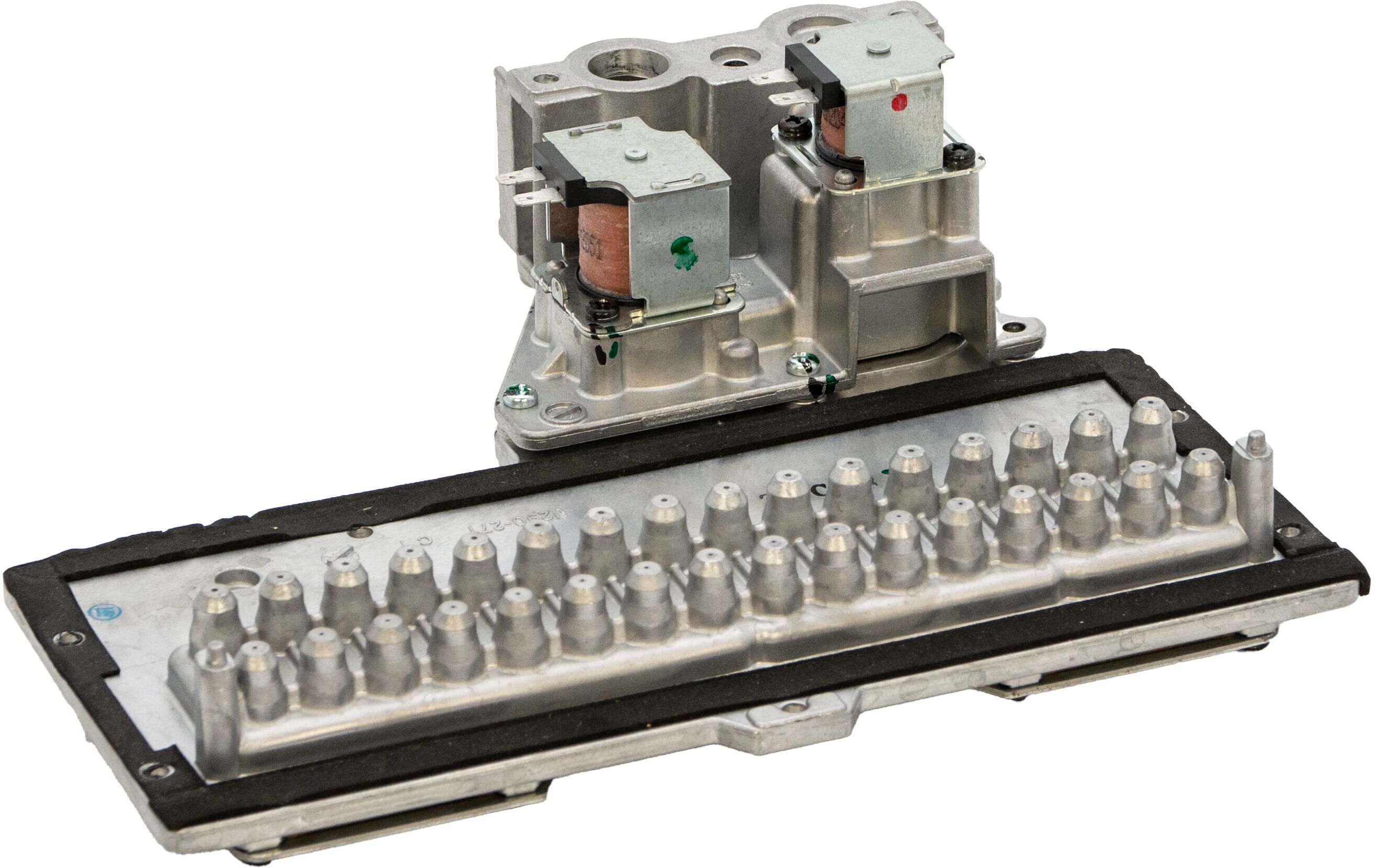
Rinnai HDC1200e Conversion Kit - LPGRinnai HDC1200e Conversion Kit - LPG (P1200EKM-LPG) This is the genuine Rinnai LPG conversion kit for the HDC1200e continuous flow water heater, engineered to get the fuel configuration right for safe, accurate, and efficient operation on LPG. As with all genuine Rinnai parts, it's built to the manufacturer's own specification, which matters when the outcome is correct combustion rather than an approximation of it. Whether the appliance is being converted from natural gas to LPG or components are simply being replaced as part of servicing, using the genuine kit is the only way to ensure combustion remains safe, performance stays reliable, and the appliance's working life isn't compromised. ⚠ Important: This conversion must be carried out by a Gas Safe registered engineer. Isolate the gas and electrical supplies before start75,60 £*Shipping: 0,00 £Secure redirect to the provider
-
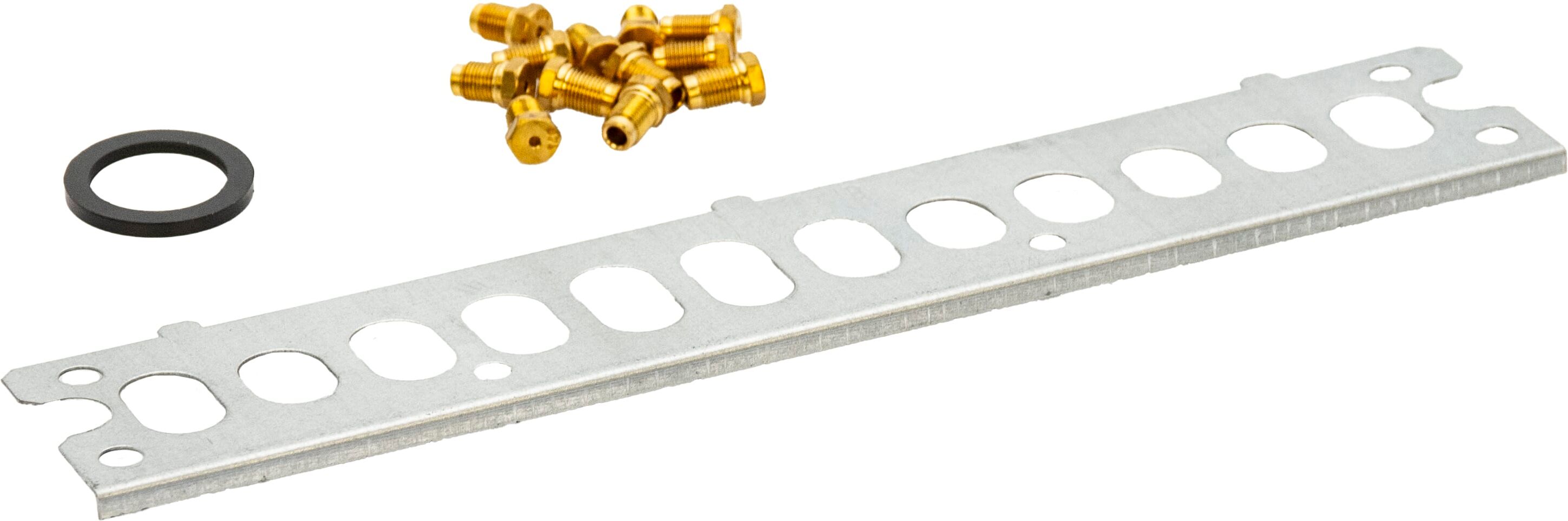
Rinnai HDC11I LPG Conversion KitRinnai HDC11i LPG Conversion Kit (P11I-CONVLPG) The Rinnai HDC11i LPG Conversion Kit is the genuine, manufacturer-approved solution for converting a compatible Rinnai HDC11i water heater from natural gas to LPG (propane). It's engineered to Rinnai's own standards for safety, efficiency, and reliability, so the appliance performs to the same standard after conversion as it did on its original fuel type — including in locations where mains natural gas isn't available. Suited to domestic installations and light commercial setups, this kit includes what's needed for a proper fuel switch while maintaining correct combustion characteristics and consistent hot water performance. ⚠ Important: This conversion must be carried out by a Gas Safe registered engineer. Attempting a DIY conversion risks both safety and manufacturer compl18,00 £*Shipping: 5,00 £Secure redirect to the provider
-
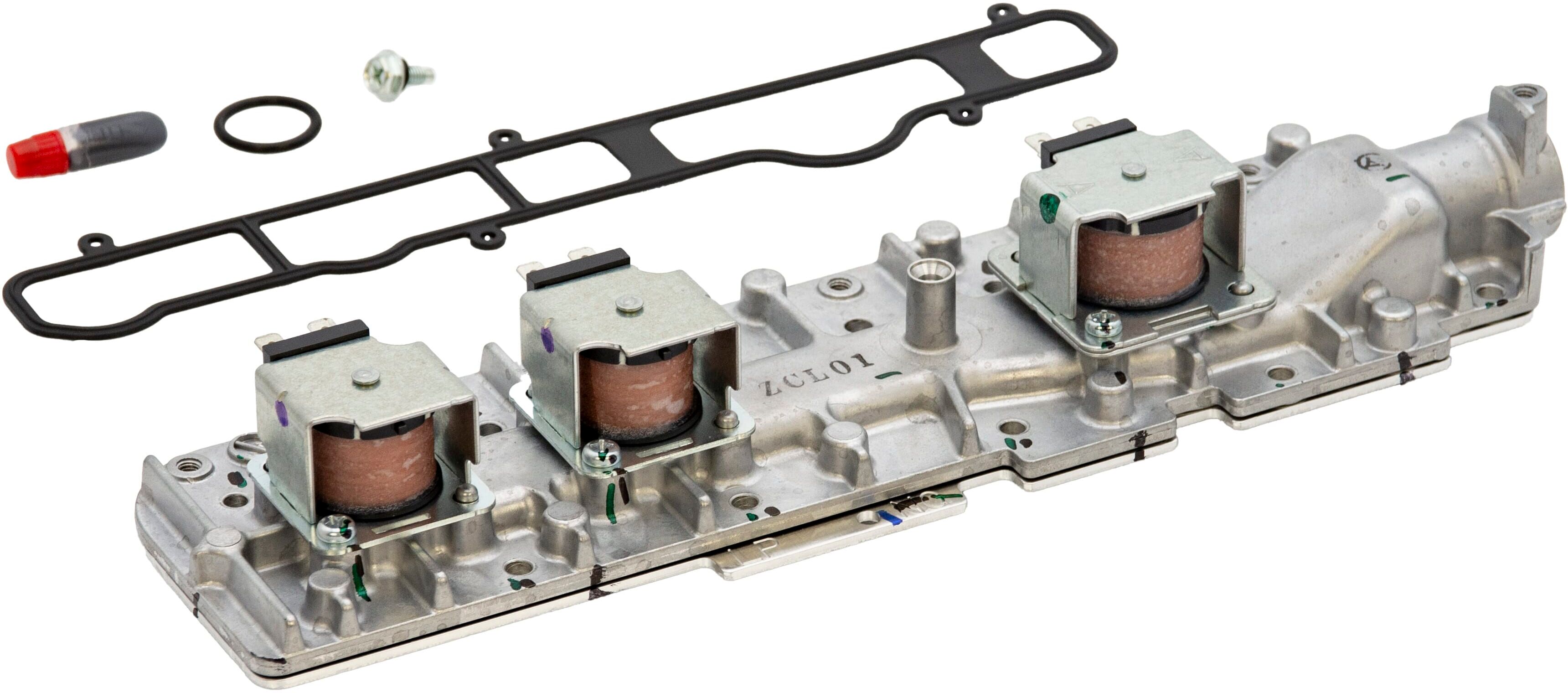
Rinnai HDC1600i LPG Conversion KitRinnai HDC1600i LPG Conversion Kit. Specially designed for the Rinnai HDC1600I model, this replacement part ensures your water heating system operates at its best. Benefits of Regular Maintenance: Enhanced Efficiency: Regular servicing can ensure that your water heater operates at peak efficiency, reducing energy bills. Longer Lifespan: Preventing buildup and replacing worn-out parts can significantly extend the life of your water heater. Safety: Ensuring that your appliance is in top condition minimizes the risk of leaks or malfunctions. Installation & Safety: Always ensure that installation and servicing are carried out by a qualified technician familiar with Rinnai products. Turn off the gas supply and disconnect power before be75,60 £*Shipping: 0,00 £Secure redirect to the provider
-
How can oxonium ions be detected?
Oxonium ions can be detected using various analytical techniques such as mass spectrometry, nuclear magnetic resonance (NMR) spectroscopy, and ion chromatography. In mass spectrometry, oxonium ions can be identified by their characteristic mass-to-charge ratio, allowing for their detection and quantification. In NMR spectroscopy, the chemical shifts and coupling patterns of protons in oxonium ions can be used to identify their presence in a sample. Ion chromatography separates and detects ions based on their charge, allowing for the detection of oxonium ions in a mixture. Overall, these techniques provide valuable tools for the detection and analysis of oxonium ions in various chemical and biological systems. **
-
What is the concentration of oxonium ions?
The concentration of oxonium ions, also known as hydronium ions (H3O+), in a solution can be calculated using the formula: pH = -log[H3O+]. This formula allows us to determine the concentration of oxonium ions based on the pH of the solution. For example, a solution with a pH of 3 has a concentration of oxonium ions of 1 x 10^-3 M (moles per liter). Therefore, the concentration of oxonium ions can be determined by measuring the pH of the solution and using the pH formula to calculate the concentration. **
-
What are oxonium ions and hydroxide ions?
Oxonium ions are positively charged ions formed when a water molecule gains a hydrogen ion, resulting in the formation of H3O+. These ions are commonly found in acidic solutions and are responsible for the acidic properties of the solution. Hydroxide ions, on the other hand, are negatively charged ions formed when a water molecule loses a hydrogen ion, resulting in the formation of OH-. These ions are commonly found in basic solutions and are responsible for the basic properties of the solution. Both oxonium ions and hydroxide ions play important roles in the pH of a solution and are key components in understanding acid-base chemistry. **
-
What is an oxonium ion in chemistry?
An oxonium ion is a positively charged ion that contains an oxygen atom with three bonds and one lone pair of electrons. It is formed when a proton (H+) is added to a water molecule, creating the hydronium ion (H3O+). Oxonium ions can also be formed when other oxygen-containing compounds, such as alcohols or ethers, undergo protonation. These ions are important in various chemical reactions and are often involved in acid-base chemistry. **


How did the term oxonium ion come about?
The term oxonium ion originated from the concept of protonation in organic chemistry. When a proton is added to an oxygen atom, it forms a positively charged species known as an oxonium ion. This term is derived from the Greek word "oxys," meaning sharp or acidic, and "onium," which is a suffix used to denote a positively charged ion. The oxonium ion is an important intermediate in many organic reactions and plays a crucial role in acid-catalyzed processes. **
Can the oxonium ion H3O+ react with water H2O?
Yes, the oxonium ion H3O+ can react with water H2O. In fact, the oxonium ion is formed when a water molecule accepts a proton (H+) from another water molecule, resulting in the formation of H3O+. This reaction is a key step in the process of autoionization of water, where water molecules can act as both acids and bases. **
Top-Angebote
Products related to Oxonium:
-
Uplifted Finds Predatory Engagement Wrestling Puppet Hub Predatory Engagement Wrestling Puppet HubTransform interactive play with the PredatoryEngagement Puppet, a professionalgrade interaction module engineered with manualsimulation logic. This highutility tool features a reinforced plush architecture and poseable limbs, specifically designed...85,97 $*Shipping: 0,00 $Secure redirect to the provider
-
GlowBake Advanced Skin Tester, Face Skin Moisture & Oil Content Analyzer Advanced Skin Tester, Face Skin Moisture & Oil Content AnalyzerDiscover your skins true condition with our advanced Skin Tester a compact yet powerful face skin analyzer designed to measure moisture, oil content, skin water, cheek elastic quality, and even estimate skin age in seconds. Ideal for home use or pro...27,97 $*Shipping: 0,00 $Secure redirect to the provider
-
Rinnai HDC1200e Conversion Kit - LPGRinnai HDC1200e Conversion Kit - LPG (P1200EKM-LPG) This is the genuine Rinnai LPG conversion kit for the HDC1200e continuous flow water heater, engineered to get the fuel configuration right for safe, accurate, and efficient operation on LPG. As with all genuine Rinnai parts, it's built to the manufacturer's own specification, which matters when the outcome is correct combustion rather than an approximation of it. Whether the appliance is being converted from natural gas to LPG or components are simply being replaced as part of servicing, using the genuine kit is the only way to ensure combustion remains safe, performance stays reliable, and the appliance's working life isn't compromised. ⚠ Important: This conversion must be carried out by a Gas Safe registered engineer. Isolate the gas and electrical supplies before start75,60 £*Shipping: 0,00 £Secure redirect to the provider
-
Rinnai HDC11I LPG Conversion KitRinnai HDC11i LPG Conversion Kit (P11I-CONVLPG) The Rinnai HDC11i LPG Conversion Kit is the genuine, manufacturer-approved solution for converting a compatible Rinnai HDC11i water heater from natural gas to LPG (propane). It's engineered to Rinnai's own standards for safety, efficiency, and reliability, so the appliance performs to the same standard after conversion as it did on its original fuel type — including in locations where mains natural gas isn't available. Suited to domestic installations and light commercial setups, this kit includes what's needed for a proper fuel switch while maintaining correct combustion characteristics and consistent hot water performance. ⚠ Important: This conversion must be carried out by a Gas Safe registered engineer. Attempting a DIY conversion risks both safety and manufacturer compl18,00 £*Shipping: 5,00 £Secure redirect to the provider
-
What are the oxonium ions?
Oxonium ions are positively charged ions that contain an oxygen atom with three bonds and a positive charge. These ions are formed when a proton (H+) is added to a water molecule (H2O), resulting in the formation of H3O+. Oxonium ions are commonly found in aqueous solutions and play a crucial role in acid-base chemistry, as they are often used to represent the hydronium ion in acidic solutions. **
-
Is HCl an oxonium ion?
No, HCl is not an oxonium ion. An oxonium ion is a positively charged oxygen atom bonded to three other atoms. In the case of HCl, it is a molecule composed of one hydrogen atom and one chlorine atom, with no oxygen atom present. Therefore, HCl does not fit the definition of an oxonium ion. **
-
How can oxonium ions be detected?
Oxonium ions can be detected using various analytical techniques such as mass spectrometry, nuclear magnetic resonance (NMR) spectroscopy, and ion chromatography. In mass spectrometry, oxonium ions can be identified by their characteristic mass-to-charge ratio, allowing for their detection and quantification. In NMR spectroscopy, the chemical shifts and coupling patterns of protons in oxonium ions can be used to identify their presence in a sample. Ion chromatography separates and detects ions based on their charge, allowing for the detection of oxonium ions in a mixture. Overall, these techniques provide valuable tools for the detection and analysis of oxonium ions in various chemical and biological systems. **
-
What is the concentration of oxonium ions?
The concentration of oxonium ions, also known as hydronium ions (H3O+), in a solution can be calculated using the formula: pH = -log[H3O+]. This formula allows us to determine the concentration of oxonium ions based on the pH of the solution. For example, a solution with a pH of 3 has a concentration of oxonium ions of 1 x 10^-3 M (moles per liter). Therefore, the concentration of oxonium ions can be determined by measuring the pH of the solution and using the pH formula to calculate the concentration. **
Similar search terms for Oxonium
-
Rinnai HDC1600i LPG Conversion KitRinnai HDC1600i LPG Conversion Kit. Specially designed for the Rinnai HDC1600I model, this replacement part ensures your water heating system operates at its best. Benefits of Regular Maintenance: Enhanced Efficiency: Regular servicing can ensure that your water heater operates at peak efficiency, reducing energy bills. Longer Lifespan: Preventing buildup and replacing worn-out parts can significantly extend the life of your water heater. Safety: Ensuring that your appliance is in top condition minimizes the risk of leaks or malfunctions. Installation & Safety: Always ensure that installation and servicing are carried out by a qualified technician familiar with Rinnai products. Turn off the gas supply and disconnect power before be75,60 £*Shipping: 0,00 £Secure redirect to the provider
-
Rinnai HDC1200i Conversion Kit - LPGRinnai HDC1200i Conversion Kit - LPG (P1200IKM-LPG) This is the genuine Rinnai LPG conversion kit for the HDC1200i continuous flow water heater, engineered to get the fuel configuration right for safe, accurate, and efficient operation on LPG. As with all genuine Rinnai parts, it's built to the manufacturer's own specification, which matters when the outcome is correct combustion rather than an approximation of it. Whether the appliance is being converted from natural gas to LPG or components are simply being replaced as part of servicing, using the genuine kit is the only way to ensure combustion remains safe, performance stays reliable, and the appliance's working life isn't compromised. ⚠ Important: This conversion must be carried out by a Gas Safe registered engineer. Isolate the gas and electrical supplies before start75,60 £*Shipping: 0,00 £Secure redirect to the provider
-
La Cafetiere Induction Conversion PlateThe La Cafetiere induction conversion plate is made from aluminium and stainless steel. The plate is used to enable non-induction cookware to be used efficiently on induction hobs. Suitable for use on all inductions hobs, the construction of the 3.4mm thick plate promotes even heat distribution and includes a heat resistant handle for easy handling. Perfect for use with whistling kettles and stove top espresso makers. Complete with a 12 month manufacturers guarantee. Size: 13cm dia.17,59 £*Shipping: 3,50 £Secure redirect to the provider
-
What are oxonium ions and hydroxide ions?
Oxonium ions are positively charged ions formed when a water molecule gains a hydrogen ion, resulting in the formation of H3O+. These ions are commonly found in acidic solutions and are responsible for the acidic properties of the solution. Hydroxide ions, on the other hand, are negatively charged ions formed when a water molecule loses a hydrogen ion, resulting in the formation of OH-. These ions are commonly found in basic solutions and are responsible for the basic properties of the solution. Both oxonium ions and hydroxide ions play important roles in the pH of a solution and are key components in understanding acid-base chemistry. **
-
What is an oxonium ion in chemistry?
An oxonium ion is a positively charged ion that contains an oxygen atom with three bonds and one lone pair of electrons. It is formed when a proton (H+) is added to a water molecule, creating the hydronium ion (H3O+). Oxonium ions can also be formed when other oxygen-containing compounds, such as alcohols or ethers, undergo protonation. These ions are important in various chemical reactions and are often involved in acid-base chemistry. **
-
How did the term oxonium ion come about?
The term oxonium ion originated from the concept of protonation in organic chemistry. When a proton is added to an oxygen atom, it forms a positively charged species known as an oxonium ion. This term is derived from the Greek word "oxys," meaning sharp or acidic, and "onium," which is a suffix used to denote a positively charged ion. The oxonium ion is an important intermediate in many organic reactions and plays a crucial role in acid-catalyzed processes. **
-
Can the oxonium ion H3O+ react with water H2O?
Yes, the oxonium ion H3O+ can react with water H2O. In fact, the oxonium ion is formed when a water molecule accepts a proton (H+) from another water molecule, resulting in the formation of H3O+. This reaction is a key step in the process of autoionization of water, where water molecules can act as both acids and bases. **
* All prices are inclusive of VAT and, if applicable, plus shipping costs. The offer information is based on the details provided by the respective shop and is updated through automated processes. Real-time updates do not occur, so deviations can occur in individual cases. ** Note: Parts of this content were created by AI.