Buy landingpage.info ?
We are moving the project
landingpage.info .
Are you interested in purchasing the domain
landingpage.info ?
domain@kv-gmbh.de · 0541-91531010
Buy landingpage.info ?
What exactly is Shintoism?
Shintoism is an indigenous religion of Japan that focuses on the worship of kami, which are spirits or deities believed to inhabit natural elements, objects, and ancestors. It emphasizes rituals, traditions, and practices that aim to maintain harmony with the natural world and promote a connection between humans and the divine. Shintoism does not have a single founder or central religious text, but it is deeply rooted in Japanese culture and history. Followers of Shintoism often visit shrines to pay respects to the kami and participate in ceremonies to seek blessings and protection. **
What is Shintoism about?
Shintoism is a traditional Japanese religion that focuses on the worship of kami, which are spirits or deities that are believed to inhabit the natural world, such as mountains, rivers, and trees. Shintoism emphasizes the importance of rituals and ceremonies to honor and communicate with the kami, as well as the concept of purity and harmony with nature. It also places a strong emphasis on the connection between the living and the spirits of ancestors. Shintoism is deeply ingrained in Japanese culture and has influenced various aspects of Japanese society, including art, architecture, and festivals. **


Similar search terms for Shintoism
Top-Angebote
Products related to Shintoism:
-
La Cafetiere Induction Conversion PlateThe La Cafetiere induction conversion plate is made from aluminium and stainless steel. The plate is used to enable non-induction cookware to be used efficiently on induction hobs. Suitable for use on all inductions hobs, the construction of the 3.4mm thick plate promotes even heat distribution and includes a heat resistant handle for easy handling. Perfect for use with whistling kettles and stove top espresso makers. Complete with a 12 month manufacturers guarantee. Size: 13cm dia.17,59 £*Shipping: 3,50 £Secure redirect to the provider
-
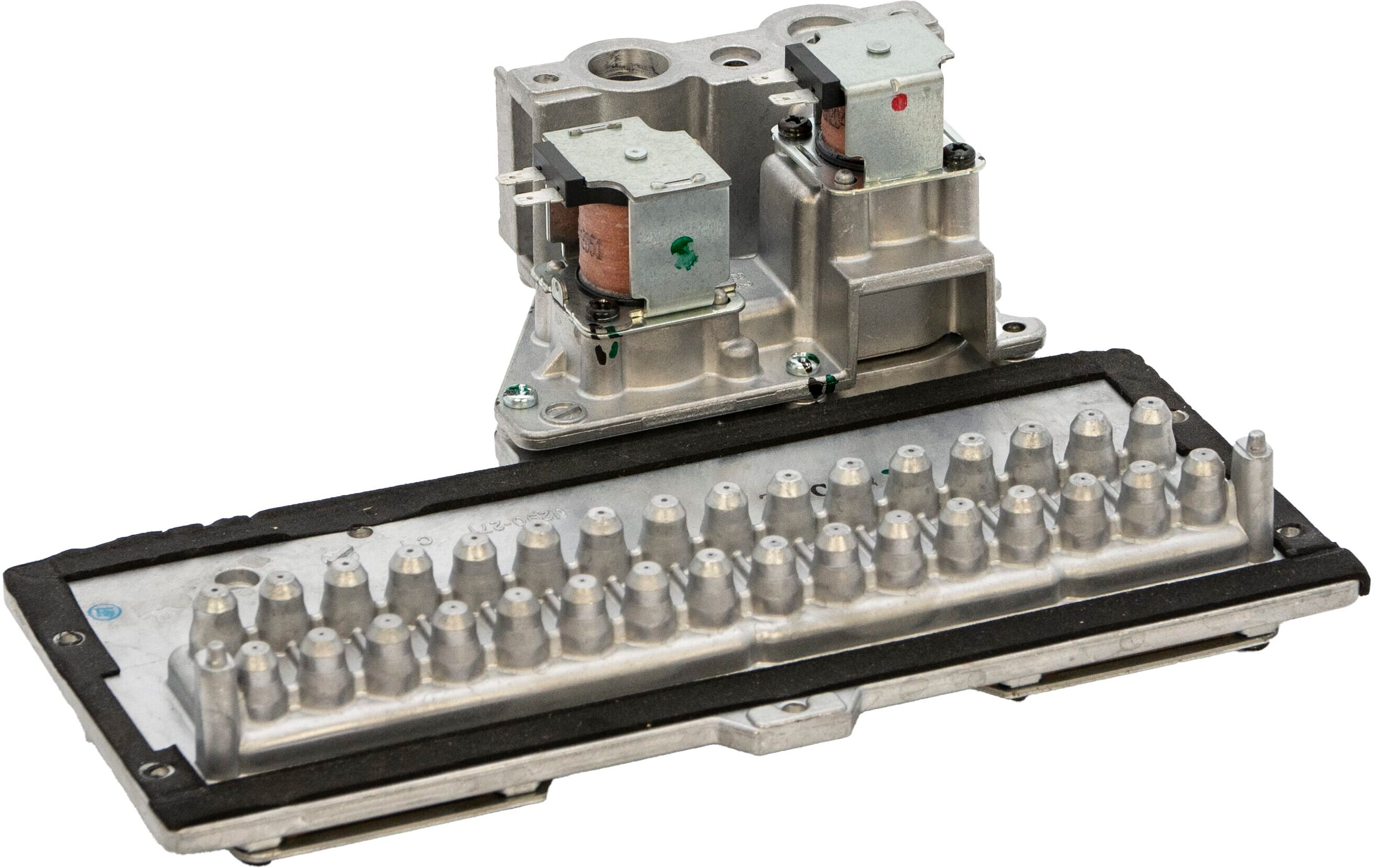
Rinnai HDC1200e Conversion Kit - LPGRinnai HDC1200e Conversion Kit - LPG (P1200EKM-LPG) This is the genuine Rinnai LPG conversion kit for the HDC1200e continuous flow water heater, engineered to get the fuel configuration right for safe, accurate, and efficient operation on LPG. As with all genuine Rinnai parts, it's built to the manufacturer's own specification, which matters when the outcome is correct combustion rather than an approximation of it. Whether the appliance is being converted from natural gas to LPG or components are simply being replaced as part of servicing, using the genuine kit is the only way to ensure combustion remains safe, performance stays reliable, and the appliance's working life isn't compromised. ⚠ Important: This conversion must be carried out by a Gas Safe registered engineer. Isolate the gas and electrical supplies before start75,60 £*Shipping: 0,00 £Secure redirect to the provider
-
Rinnai HDC1200i Conversion Kit - LPGRinnai HDC1200i Conversion Kit - LPG (P1200IKM-LPG) This is the genuine Rinnai LPG conversion kit for the HDC1200i continuous flow water heater, engineered to get the fuel configuration right for safe, accurate, and efficient operation on LPG. As with all genuine Rinnai parts, it's built to the manufacturer's own specification, which matters when the outcome is correct combustion rather than an approximation of it. Whether the appliance is being converted from natural gas to LPG or components are simply being replaced as part of servicing, using the genuine kit is the only way to ensure combustion remains safe, performance stays reliable, and the appliance's working life isn't compromised. ⚠ Important: This conversion must be carried out by a Gas Safe registered engineer. Isolate the gas and electrical supplies before start75,60 £*Shipping: 0,00 £Secure redirect to the provider



-
Where is Shintoism widely practiced?
Shintoism is widely practiced in Japan, where it is considered the indigenous religion. It is an integral part of Japanese culture and society, with many traditions and customs influenced by Shinto beliefs. Shinto shrines can be found throughout Japan, and many Japanese people participate in Shinto rituals and ceremonies for various occasions such as weddings, festivals, and New Year celebrations. **
-
What is Shintoism in Germany?
Shintoism in Germany refers to the practice and belief in the traditional Japanese religion of Shinto by individuals and communities in Germany. It is a relatively small religious community in the country, with a few Shinto shrines and organizations established to serve the Japanese expatriate community and those interested in Japanese culture and spirituality. Shintoism in Germany often involves the celebration of traditional Japanese festivals, rituals, and customs, as well as the worship of Shinto deities and spirits. It is also influenced by the broader interest in Japanese culture and spirituality in Germany. **
-
What happens in Shintoism after death?
In Shintoism, death is seen as a transition rather than an end. It is believed that the deceased person's spirit continues to exist and can influence the living. Ancestor veneration is an important aspect of Shinto beliefs, where rituals and offerings are made to honor and appease the spirits of the deceased. The ultimate goal is for the deceased to become a protective and benevolent ancestor who watches over and guides their living descendants. **
-
What does one do in Shintoism?
In Shintoism, practitioners engage in various rituals and practices to honor and connect with the kami, or spirits, that are believed to inhabit the natural world. This can include visiting shrines, making offerings, and participating in festivals and ceremonies. Additionally, followers may also engage in purification rituals, meditation, and prayer to seek blessings and guidance from the kami. Overall, the focus of Shintoism is on maintaining harmony and reverence for the natural world and the spirits that inhabit it. **
How is death perceived in Shintoism?
In Shintoism, death is seen as a natural part of the cycle of life, and it is believed that the spirits of the deceased continue to exist in the spiritual world. There is a strong emphasis on honoring and respecting the ancestors, and rituals and ceremonies are performed to pay tribute to them. Death is not seen as an end, but rather as a transition to the spiritual realm, and it is believed that the spirits of the deceased can continue to influence the lives of the living. Overall, death is perceived with a sense of reverence and connection to the spiritual world in Shintoism. **
How can one convert to Shintoism?
To convert to Shintoism, one can start by learning about the beliefs, practices, and rituals of the religion. It is important to understand the concept of kami (spirits or deities) and the reverence for nature in Shintoism. One can also visit Shinto shrines, participate in rituals, and seek guidance from Shinto priests. Ultimately, conversion to Shintoism involves a personal commitment to the beliefs and values of the religion, as well as a sincere respect for its traditions and customs. **
Top-Angebote
Products related to Shintoism:
-
Uplifted Finds Predatory Engagement Wrestling Puppet Hub Predatory Engagement Wrestling Puppet HubTransform interactive play with the PredatoryEngagement Puppet, a professionalgrade interaction module engineered with manualsimulation logic. This highutility tool features a reinforced plush architecture and poseable limbs, specifically designed...85,97 $*Shipping: 0,00 $Secure redirect to the provider
-
GlowBake Advanced Skin Tester, Face Skin Moisture & Oil Content Analyzer Advanced Skin Tester, Face Skin Moisture & Oil Content AnalyzerDiscover your skins true condition with our advanced Skin Tester a compact yet powerful face skin analyzer designed to measure moisture, oil content, skin water, cheek elastic quality, and even estimate skin age in seconds. Ideal for home use or pro...27,97 $*Shipping: 0,00 $Secure redirect to the provider
-
La Cafetiere Induction Conversion PlateThe La Cafetiere induction conversion plate is made from aluminium and stainless steel. The plate is used to enable non-induction cookware to be used efficiently on induction hobs. Suitable for use on all inductions hobs, the construction of the 3.4mm thick plate promotes even heat distribution and includes a heat resistant handle for easy handling. Perfect for use with whistling kettles and stove top espresso makers. Complete with a 12 month manufacturers guarantee. Size: 13cm dia.17,59 £*Shipping: 3,50 £Secure redirect to the provider
-
What exactly is Shintoism?
Shintoism is an indigenous religion of Japan that focuses on the worship of kami, which are spirits or deities believed to inhabit natural elements, objects, and ancestors. It emphasizes rituals, traditions, and practices that aim to maintain harmony with the natural world and promote a connection between humans and the divine. Shintoism does not have a single founder or central religious text, but it is deeply rooted in Japanese culture and history. Followers of Shintoism often visit shrines to pay respects to the kami and participate in ceremonies to seek blessings and protection. **
-
What is Shintoism about?
Shintoism is a traditional Japanese religion that focuses on the worship of kami, which are spirits or deities that are believed to inhabit the natural world, such as mountains, rivers, and trees. Shintoism emphasizes the importance of rituals and ceremonies to honor and communicate with the kami, as well as the concept of purity and harmony with nature. It also places a strong emphasis on the connection between the living and the spirits of ancestors. Shintoism is deeply ingrained in Japanese culture and has influenced various aspects of Japanese society, including art, architecture, and festivals. **
-
Where is Shintoism widely practiced?
Shintoism is widely practiced in Japan, where it is considered the indigenous religion. It is an integral part of Japanese culture and society, with many traditions and customs influenced by Shinto beliefs. Shinto shrines can be found throughout Japan, and many Japanese people participate in Shinto rituals and ceremonies for various occasions such as weddings, festivals, and New Year celebrations. **
-
What is Shintoism in Germany?
Shintoism in Germany refers to the practice and belief in the traditional Japanese religion of Shinto by individuals and communities in Germany. It is a relatively small religious community in the country, with a few Shinto shrines and organizations established to serve the Japanese expatriate community and those interested in Japanese culture and spirituality. Shintoism in Germany often involves the celebration of traditional Japanese festivals, rituals, and customs, as well as the worship of Shinto deities and spirits. It is also influenced by the broader interest in Japanese culture and spirituality in Germany. **
Similar search terms for Shintoism
-
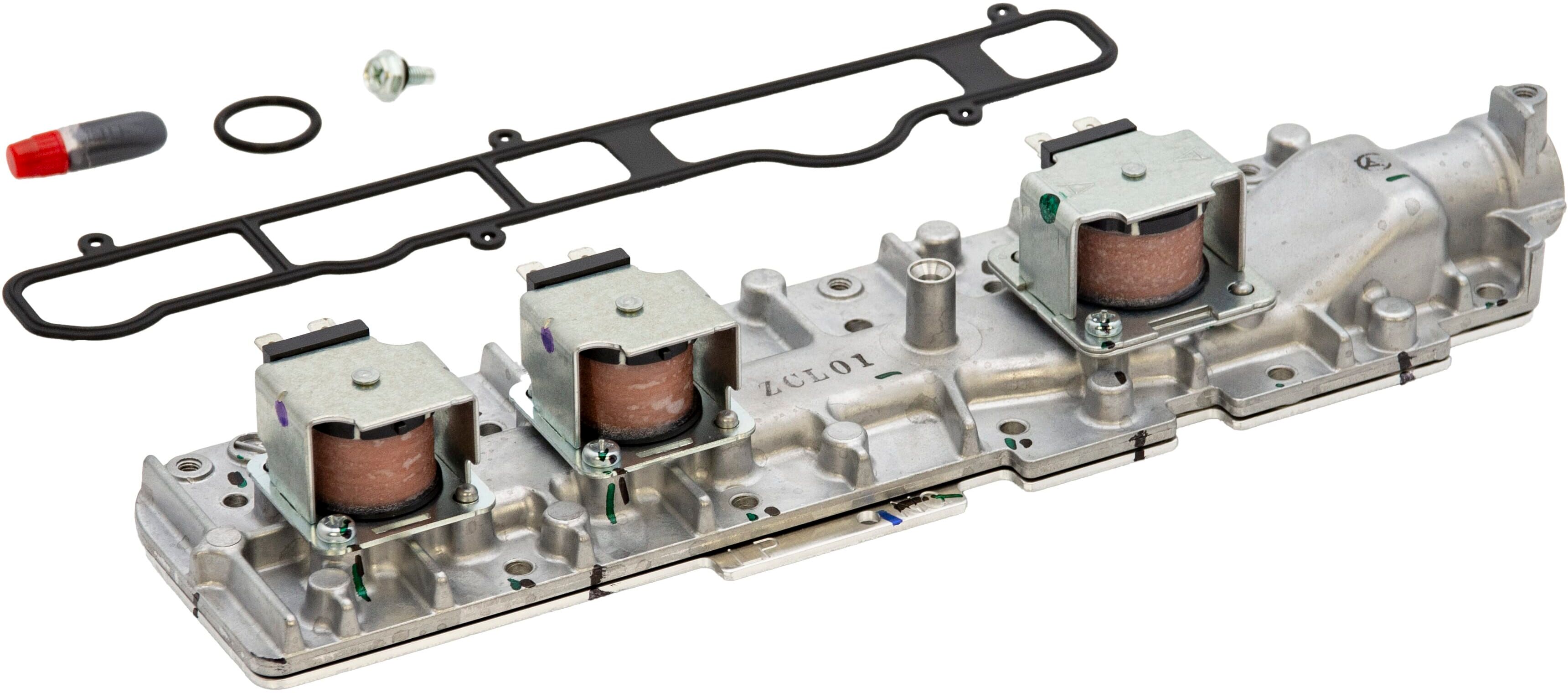
Rinnai HDC1200e Conversion Kit - LPGRinnai HDC1200e Conversion Kit - LPG (P1200EKM-LPG) This is the genuine Rinnai LPG conversion kit for the HDC1200e continuous flow water heater, engineered to get the fuel configuration right for safe, accurate, and efficient operation on LPG. As with all genuine Rinnai parts, it's built to the manufacturer's own specification, which matters when the outcome is correct combustion rather than an approximation of it. Whether the appliance is being converted from natural gas to LPG or components are simply being replaced as part of servicing, using the genuine kit is the only way to ensure combustion remains safe, performance stays reliable, and the appliance's working life isn't compromised. ⚠ Important: This conversion must be carried out by a Gas Safe registered engineer. Isolate the gas and electrical supplies before start75,60 £*Shipping: 0,00 £Secure redirect to the provider
-
Rinnai HDC1200i Conversion Kit - LPGRinnai HDC1200i Conversion Kit - LPG (P1200IKM-LPG) This is the genuine Rinnai LPG conversion kit for the HDC1200i continuous flow water heater, engineered to get the fuel configuration right for safe, accurate, and efficient operation on LPG. As with all genuine Rinnai parts, it's built to the manufacturer's own specification, which matters when the outcome is correct combustion rather than an approximation of it. Whether the appliance is being converted from natural gas to LPG or components are simply being replaced as part of servicing, using the genuine kit is the only way to ensure combustion remains safe, performance stays reliable, and the appliance's working life isn't compromised. ⚠ Important: This conversion must be carried out by a Gas Safe registered engineer. Isolate the gas and electrical supplies before start75,60 £*Shipping: 0,00 £Secure redirect to the provider
-
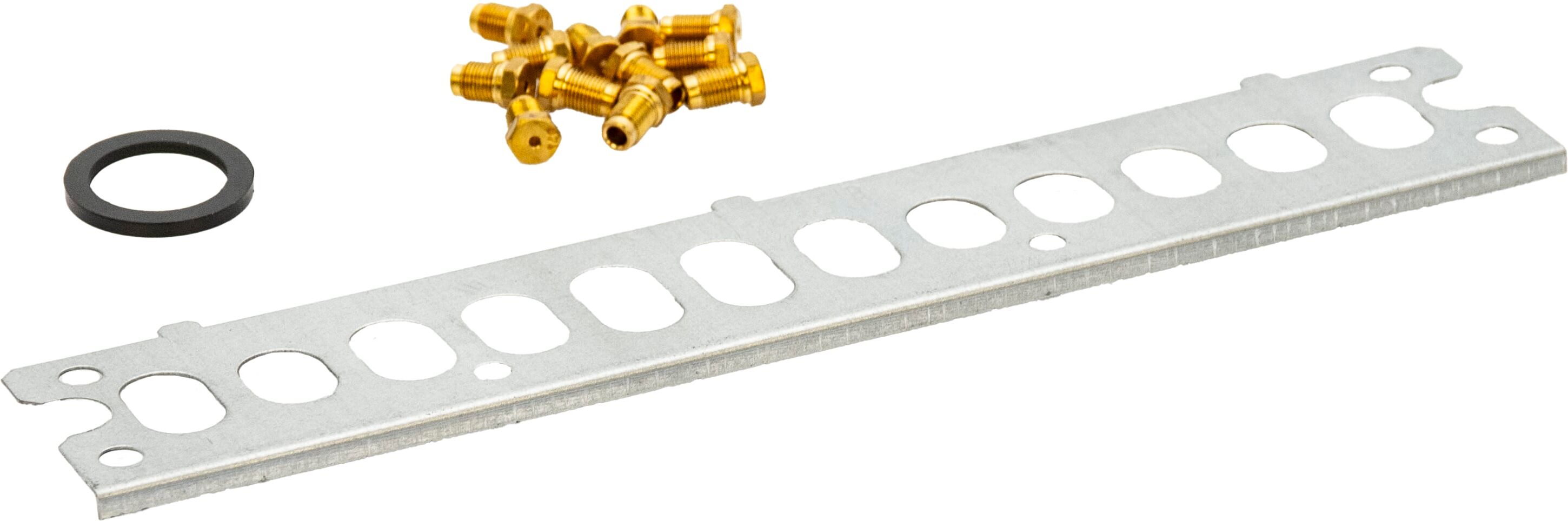
Rinnai HDC1600i LPG Conversion KitRinnai HDC1600i LPG Conversion Kit. Specially designed for the Rinnai HDC1600I model, this replacement part ensures your water heating system operates at its best. Benefits of Regular Maintenance: Enhanced Efficiency: Regular servicing can ensure that your water heater operates at peak efficiency, reducing energy bills. Longer Lifespan: Preventing buildup and replacing worn-out parts can significantly extend the life of your water heater. Safety: Ensuring that your appliance is in top condition minimizes the risk of leaks or malfunctions. Installation & Safety: Always ensure that installation and servicing are carried out by a qualified technician familiar with Rinnai products. Turn off the gas supply and disconnect power before be75,60 £*Shipping: 0,00 £Secure redirect to the provider
-
Rinnai HDC11I LPG Conversion KitRinnai HDC11i LPG Conversion Kit (P11I-CONVLPG) The Rinnai HDC11i LPG Conversion Kit is the genuine, manufacturer-approved solution for converting a compatible Rinnai HDC11i water heater from natural gas to LPG (propane). It's engineered to Rinnai's own standards for safety, efficiency, and reliability, so the appliance performs to the same standard after conversion as it did on its original fuel type — including in locations where mains natural gas isn't available. Suited to domestic installations and light commercial setups, this kit includes what's needed for a proper fuel switch while maintaining correct combustion characteristics and consistent hot water performance. ⚠ Important: This conversion must be carried out by a Gas Safe registered engineer. Attempting a DIY conversion risks both safety and manufacturer compl18,00 £*Shipping: 5,00 £Secure redirect to the provider
-
What happens in Shintoism after death?
In Shintoism, death is seen as a transition rather than an end. It is believed that the deceased person's spirit continues to exist and can influence the living. Ancestor veneration is an important aspect of Shinto beliefs, where rituals and offerings are made to honor and appease the spirits of the deceased. The ultimate goal is for the deceased to become a protective and benevolent ancestor who watches over and guides their living descendants. **
-
What does one do in Shintoism?
In Shintoism, practitioners engage in various rituals and practices to honor and connect with the kami, or spirits, that are believed to inhabit the natural world. This can include visiting shrines, making offerings, and participating in festivals and ceremonies. Additionally, followers may also engage in purification rituals, meditation, and prayer to seek blessings and guidance from the kami. Overall, the focus of Shintoism is on maintaining harmony and reverence for the natural world and the spirits that inhabit it. **
-
How is death perceived in Shintoism?
In Shintoism, death is seen as a natural part of the cycle of life, and it is believed that the spirits of the deceased continue to exist in the spiritual world. There is a strong emphasis on honoring and respecting the ancestors, and rituals and ceremonies are performed to pay tribute to them. Death is not seen as an end, but rather as a transition to the spiritual realm, and it is believed that the spirits of the deceased can continue to influence the lives of the living. Overall, death is perceived with a sense of reverence and connection to the spiritual world in Shintoism. **
-
How can one convert to Shintoism?
To convert to Shintoism, one can start by learning about the beliefs, practices, and rituals of the religion. It is important to understand the concept of kami (spirits or deities) and the reverence for nature in Shintoism. One can also visit Shinto shrines, participate in rituals, and seek guidance from Shinto priests. Ultimately, conversion to Shintoism involves a personal commitment to the beliefs and values of the religion, as well as a sincere respect for its traditions and customs. **
* All prices are inclusive of VAT and, if applicable, plus shipping costs. The offer information is based on the details provided by the respective shop and is updated through automated processes. Real-time updates do not occur, so deviations can occur in individual cases. ** Note: Parts of this content were created by AI.