Buy landingpage.info ?
We are moving the project
landingpage.info .
Are you interested in purchasing the domain
landingpage.info ?
domain@kv-gmbh.de · 0541-91531010
Buy landingpage.info ?
Upper Silesia Cities
Upper Silesia is a region in Poland known for its industrial cities such as Katowice, Gliwice, and Sosnowiec. These cities have a rich history of coal mining and heavy industry, which has shaped their development over the years. Today, they are vibrant urban centers with a mix of modern architecture and historic buildings, as well as cultural attractions and green spaces for residents and visitors to enjoy. The cities of Upper Silesia are also known for their strong sense of community and local pride. **
Where is Upper Silesia located in comparison to Lower Silesia?
Upper Silesia is located to the west of Lower Silesia. Both regions are located in the southwestern part of Poland, with Upper Silesia bordering the Czech Republic to the west and Lower Silesia bordering Germany to the west. Upper Silesia is known for its industrial heritage and urban centers, while Lower Silesia is known for its picturesque landscapes and historic architecture. **
Similar search terms for Silesia
Top-Angebote
Products related to Silesia:
-
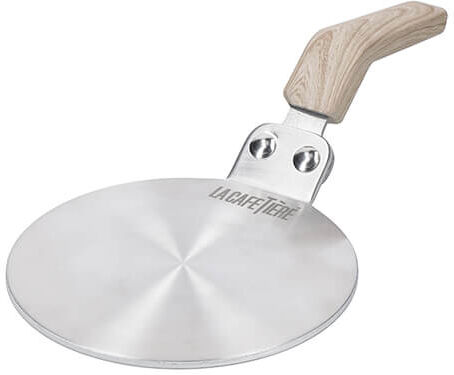
La Cafetiere Induction Conversion PlateThe La Cafetiere induction conversion plate is made from aluminium and stainless steel. The plate is used to enable non-induction cookware to be used efficiently on induction hobs. Suitable for use on all inductions hobs, the construction of the 3.4mm thick plate promotes even heat distribution and includes a heat resistant handle for easy handling. Perfect for use with whistling kettles and stove top espresso makers. Complete with a 12 month manufacturers guarantee. Size: 13cm dia.17,59 £*Shipping: 3,50 £Secure redirect to the provider
-
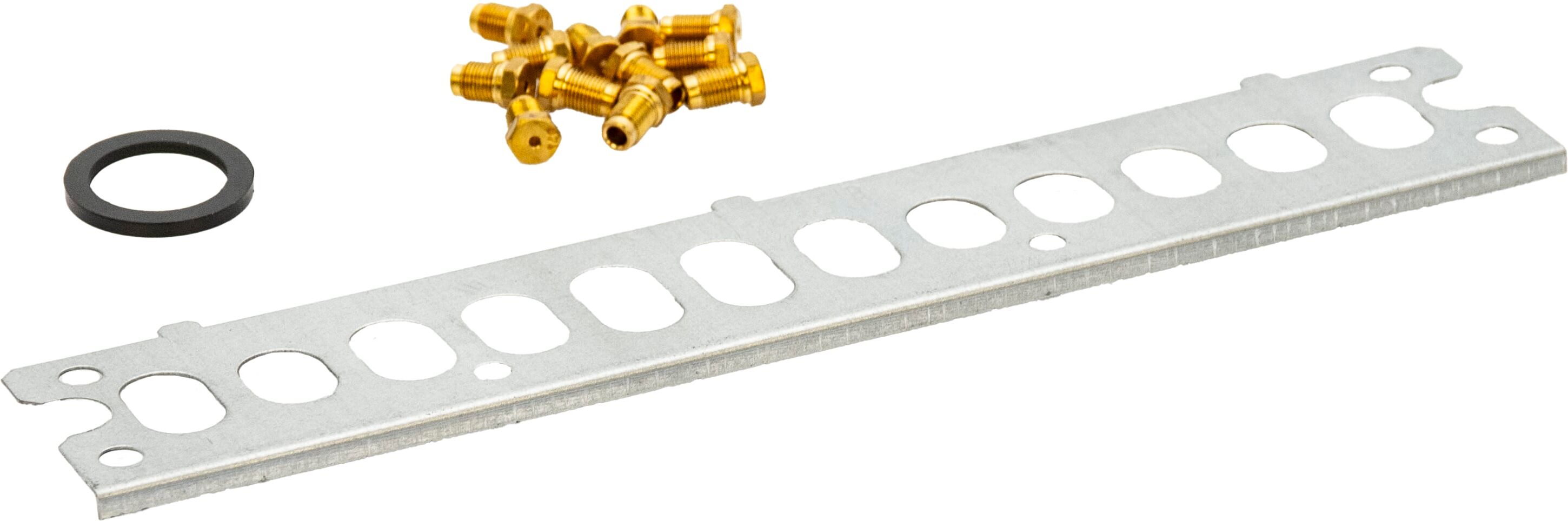
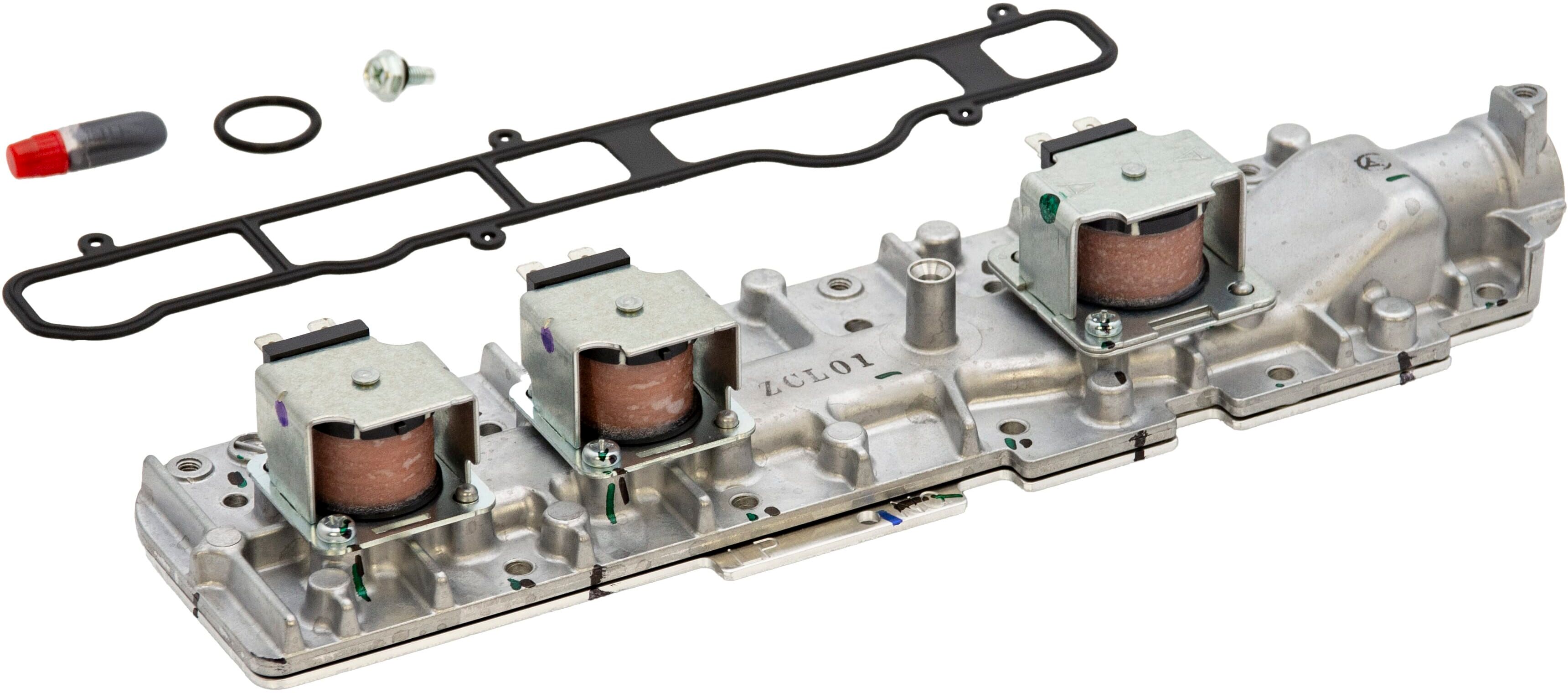
Rinnai HDC11I LPG Conversion KitRinnai HDC11i LPG Conversion Kit (P11I-CONVLPG) The Rinnai HDC11i LPG Conversion Kit is the genuine, manufacturer-approved solution for converting a compatible Rinnai HDC11i water heater from natural gas to LPG (propane). It's engineered to Rinnai's own standards for safety, efficiency, and reliability, so the appliance performs to the same standard after conversion as it did on its original fuel type — including in locations where mains natural gas isn't available. Suited to domestic installations and light commercial setups, this kit includes what's needed for a proper fuel switch while maintaining correct combustion characteristics and consistent hot water performance. ⚠ Important: This conversion must be carried out by a Gas Safe registered engineer. Attempting a DIY conversion risks both safety and manufacturer compl18,00 £*Shipping: 5,00 £Secure redirect to the provider
-
Rinnai HDC1600i LPG Conversion KitRinnai HDC1600i LPG Conversion Kit. Specially designed for the Rinnai HDC1600I model, this replacement part ensures your water heating system operates at its best. Benefits of Regular Maintenance: Enhanced Efficiency: Regular servicing can ensure that your water heater operates at peak efficiency, reducing energy bills. Longer Lifespan: Preventing buildup and replacing worn-out parts can significantly extend the life of your water heater. Safety: Ensuring that your appliance is in top condition minimizes the risk of leaks or malfunctions. Installation & Safety: Always ensure that installation and servicing are carried out by a qualified technician familiar with Rinnai products. Turn off the gas supply and disconnect power before be75,60 £*Shipping: 0,00 £Secure redirect to the provider
-
Was Silesia always German?
Silesia has a complex history and has been inhabited by various ethnic groups over the centuries. It was originally inhabited by Slavic tribes before becoming part of the Kingdom of Poland in the 10th century. It later came under the control of the Holy Roman Empire and the Habsburg Monarchy before becoming part of Prussia in the 18th century. The region has seen shifting borders and populations, with a significant German presence developing over time. **
-
What is Upper Silesia?
Upper Silesia is a historical and geographical region located in central Europe, primarily in Poland and partly in the Czech Republic. It is known for its rich industrial history, particularly in coal mining and heavy industry. The region has a diverse cultural heritage, with influences from Polish, German, and Czech traditions. Upper Silesia has undergone significant changes in the 20th century due to border shifts and industrial restructuring, but it remains an important economic and cultural center in the region. **
-
How long was Silesia German?
Silesia was predominantly German for several centuries, starting in the 12th century when German settlers began to migrate to the region. The area remained under German control until the end of World War II when it was annexed by Poland. Throughout this time, Silesia was an important cultural and economic center for the German-speaking population. **
-
Is Silesia German or Polish?
Silesia has a complex history and has been influenced by both German and Polish cultures. The region has been part of both countries at different points in history, and its population has been made up of both Germans and Poles. Today, Silesia is divided between Poland and the Czech Republic, and the region's identity is a mix of both German and Polish influences. It is home to a diverse population that reflects this complex history and cultural heritage. **

Is Upper Silesia part of Germany?
Upper Silesia is a historical region that has been part of both Germany and Poland at different points in history. After World War I, the region was divided between Germany and Poland, with the majority of it becoming part of Poland. After World War II, the entire region became part of Poland. Therefore, Upper Silesia is not currently part of Germany. **
When was the expulsion from Silesia?
The expulsion from Silesia occurred in 1945 at the end of World War II. This event involved the forced removal of the German population from the region of Silesia, which was then annexed by Poland. The expulsion was a result of the Potsdam Agreement, which aimed to redraw the borders of Europe after the war. The expulsion led to the displacement of millions of Germans from their homes in Silesia. **
Top-Angebote
Products related to Silesia:
-
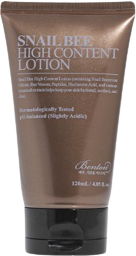
Benton Snail Bee High Content Lotion 120 mlHealth and Beauty Creams Benton Snail Bee High Content Lotion 120 ml Moisturizing and repairing lotion with snail mucin extract. Are you worried about the texture of your skin? If it is rough, uneven or you have small scars, you will love this lotion. It has a light texture that will make its application much more comfortable and faster. It is formulated with natural ingredients with regenerative properties for the skin, such as snail mucin, making it the ideal treatment to restore skin damaged by external agents such as pollution or temperature changes. In addition, it contains other ingredients such as bee venom, highly valued in cosmetics for its antiseptic properties, and other active ingredients such as niacinamide and adenosine that soften and brighten the skin. How to use: Dispense a pump of product onto your fingers and spread it all over your face using different dots. Massage the lotion from the center of the face outwards. Do not forget the neck and neckline!24,95 £*Shipping: 3,99 £Secure redirect to the provider
-
La Cafetiere Induction Conversion PlateThe La Cafetiere induction conversion plate is made from aluminium and stainless steel. The plate is used to enable non-induction cookware to be used efficiently on induction hobs. Suitable for use on all inductions hobs, the construction of the 3.4mm thick plate promotes even heat distribution and includes a heat resistant handle for easy handling. Perfect for use with whistling kettles and stove top espresso makers. Complete with a 12 month manufacturers guarantee. Size: 13cm dia.17,59 £*Shipping: 3,50 £Secure redirect to the provider
-
Upper Silesia Cities
Upper Silesia is a region in Poland known for its industrial cities such as Katowice, Gliwice, and Sosnowiec. These cities have a rich history of coal mining and heavy industry, which has shaped their development over the years. Today, they are vibrant urban centers with a mix of modern architecture and historic buildings, as well as cultural attractions and green spaces for residents and visitors to enjoy. The cities of Upper Silesia are also known for their strong sense of community and local pride. **
-
Where is Upper Silesia located in comparison to Lower Silesia?
Upper Silesia is located to the west of Lower Silesia. Both regions are located in the southwestern part of Poland, with Upper Silesia bordering the Czech Republic to the west and Lower Silesia bordering Germany to the west. Upper Silesia is known for its industrial heritage and urban centers, while Lower Silesia is known for its picturesque landscapes and historic architecture. **
-
Was Silesia always German?
Silesia has a complex history and has been inhabited by various ethnic groups over the centuries. It was originally inhabited by Slavic tribes before becoming part of the Kingdom of Poland in the 10th century. It later came under the control of the Holy Roman Empire and the Habsburg Monarchy before becoming part of Prussia in the 18th century. The region has seen shifting borders and populations, with a significant German presence developing over time. **
-
What is Upper Silesia?
Upper Silesia is a historical and geographical region located in central Europe, primarily in Poland and partly in the Czech Republic. It is known for its rich industrial history, particularly in coal mining and heavy industry. The region has a diverse cultural heritage, with influences from Polish, German, and Czech traditions. Upper Silesia has undergone significant changes in the 20th century due to border shifts and industrial restructuring, but it remains an important economic and cultural center in the region. **
Similar search terms for Silesia
-
Rinnai HDC11I LPG Conversion KitRinnai HDC11i LPG Conversion Kit (P11I-CONVLPG) The Rinnai HDC11i LPG Conversion Kit is the genuine, manufacturer-approved solution for converting a compatible Rinnai HDC11i water heater from natural gas to LPG (propane). It's engineered to Rinnai's own standards for safety, efficiency, and reliability, so the appliance performs to the same standard after conversion as it did on its original fuel type — including in locations where mains natural gas isn't available. Suited to domestic installations and light commercial setups, this kit includes what's needed for a proper fuel switch while maintaining correct combustion characteristics and consistent hot water performance. ⚠ Important: This conversion must be carried out by a Gas Safe registered engineer. Attempting a DIY conversion risks both safety and manufacturer compl18,00 £*Shipping: 5,00 £Secure redirect to the provider
-
Rinnai HDC1600i LPG Conversion KitRinnai HDC1600i LPG Conversion Kit. Specially designed for the Rinnai HDC1600I model, this replacement part ensures your water heating system operates at its best. Benefits of Regular Maintenance: Enhanced Efficiency: Regular servicing can ensure that your water heater operates at peak efficiency, reducing energy bills. Longer Lifespan: Preventing buildup and replacing worn-out parts can significantly extend the life of your water heater. Safety: Ensuring that your appliance is in top condition minimizes the risk of leaks or malfunctions. Installation & Safety: Always ensure that installation and servicing are carried out by a qualified technician familiar with Rinnai products. Turn off the gas supply and disconnect power before be75,60 £*Shipping: 0,00 £Secure redirect to the provider
-
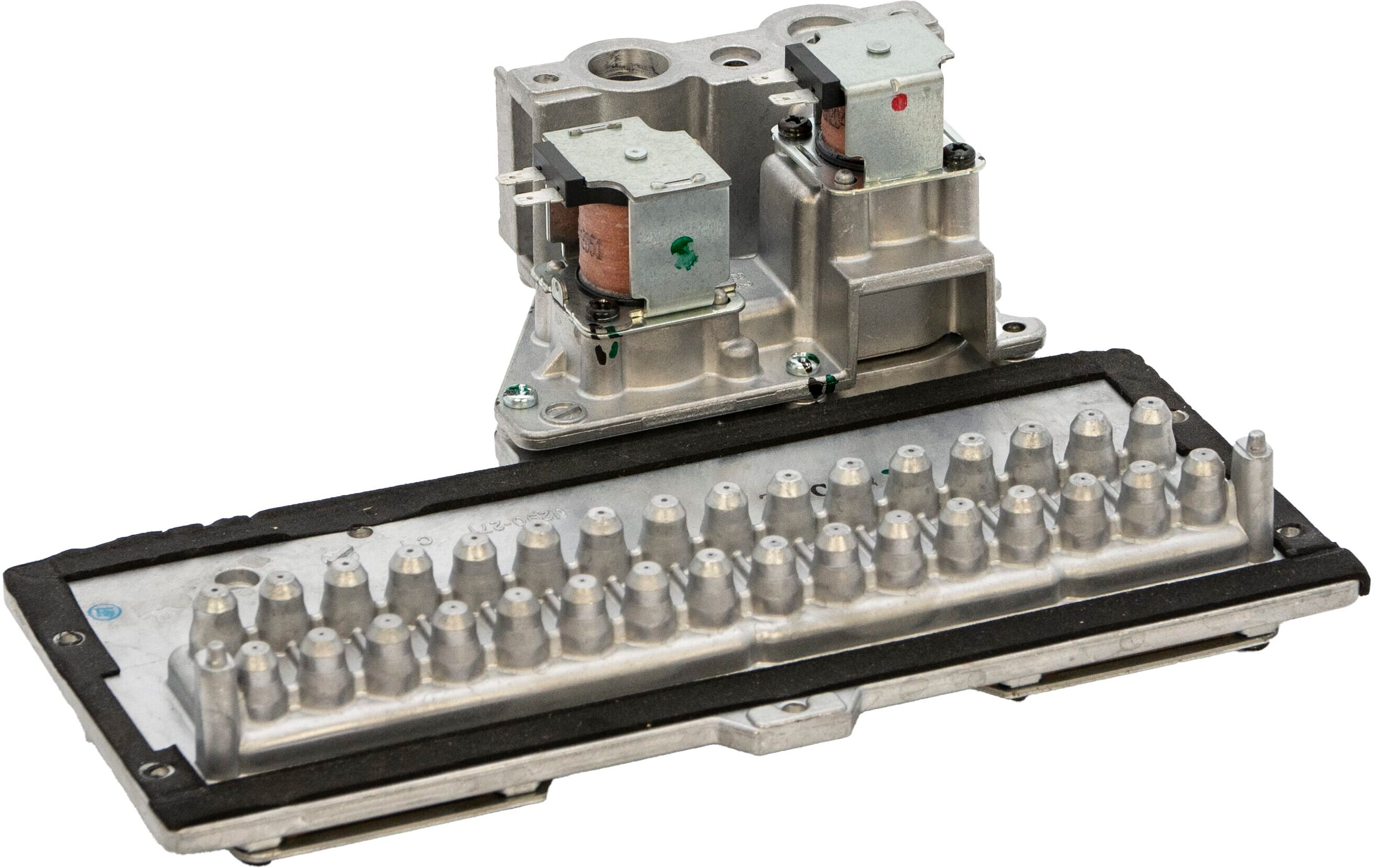
Rinnai HDC1200e Conversion Kit - LPGRinnai HDC1200e Conversion Kit - LPG (P1200EKM-LPG) This is the genuine Rinnai LPG conversion kit for the HDC1200e continuous flow water heater, engineered to get the fuel configuration right for safe, accurate, and efficient operation on LPG. As with all genuine Rinnai parts, it's built to the manufacturer's own specification, which matters when the outcome is correct combustion rather than an approximation of it. Whether the appliance is being converted from natural gas to LPG or components are simply being replaced as part of servicing, using the genuine kit is the only way to ensure combustion remains safe, performance stays reliable, and the appliance's working life isn't compromised. ⚠ Important: This conversion must be carried out by a Gas Safe registered engineer. Isolate the gas and electrical supplies before start75,60 £*Shipping: 0,00 £Secure redirect to the provider
-
Rinnai HDC1200i Conversion Kit - LPGRinnai HDC1200i Conversion Kit - LPG (P1200IKM-LPG) This is the genuine Rinnai LPG conversion kit for the HDC1200i continuous flow water heater, engineered to get the fuel configuration right for safe, accurate, and efficient operation on LPG. As with all genuine Rinnai parts, it's built to the manufacturer's own specification, which matters when the outcome is correct combustion rather than an approximation of it. Whether the appliance is being converted from natural gas to LPG or components are simply being replaced as part of servicing, using the genuine kit is the only way to ensure combustion remains safe, performance stays reliable, and the appliance's working life isn't compromised. ⚠ Important: This conversion must be carried out by a Gas Safe registered engineer. Isolate the gas and electrical supplies before start75,60 £*Shipping: 0,00 £Secure redirect to the provider
-
How long was Silesia German?
Silesia was predominantly German for several centuries, starting in the 12th century when German settlers began to migrate to the region. The area remained under German control until the end of World War II when it was annexed by Poland. Throughout this time, Silesia was an important cultural and economic center for the German-speaking population. **
-
Is Silesia German or Polish?
Silesia has a complex history and has been influenced by both German and Polish cultures. The region has been part of both countries at different points in history, and its population has been made up of both Germans and Poles. Today, Silesia is divided between Poland and the Czech Republic, and the region's identity is a mix of both German and Polish influences. It is home to a diverse population that reflects this complex history and cultural heritage. **
-
Is Upper Silesia part of Germany?
Upper Silesia is a historical region that has been part of both Germany and Poland at different points in history. After World War I, the region was divided between Germany and Poland, with the majority of it becoming part of Poland. After World War II, the entire region became part of Poland. Therefore, Upper Silesia is not currently part of Germany. **
-
When was the expulsion from Silesia?
The expulsion from Silesia occurred in 1945 at the end of World War II. This event involved the forced removal of the German population from the region of Silesia, which was then annexed by Poland. The expulsion was a result of the Potsdam Agreement, which aimed to redraw the borders of Europe after the war. The expulsion led to the displacement of millions of Germans from their homes in Silesia. **
* All prices are inclusive of VAT and, if applicable, plus shipping costs. The offer information is based on the details provided by the respective shop and is updated through automated processes. Real-time updates do not occur, so deviations can occur in individual cases. ** Note: Parts of this content were created by AI.